

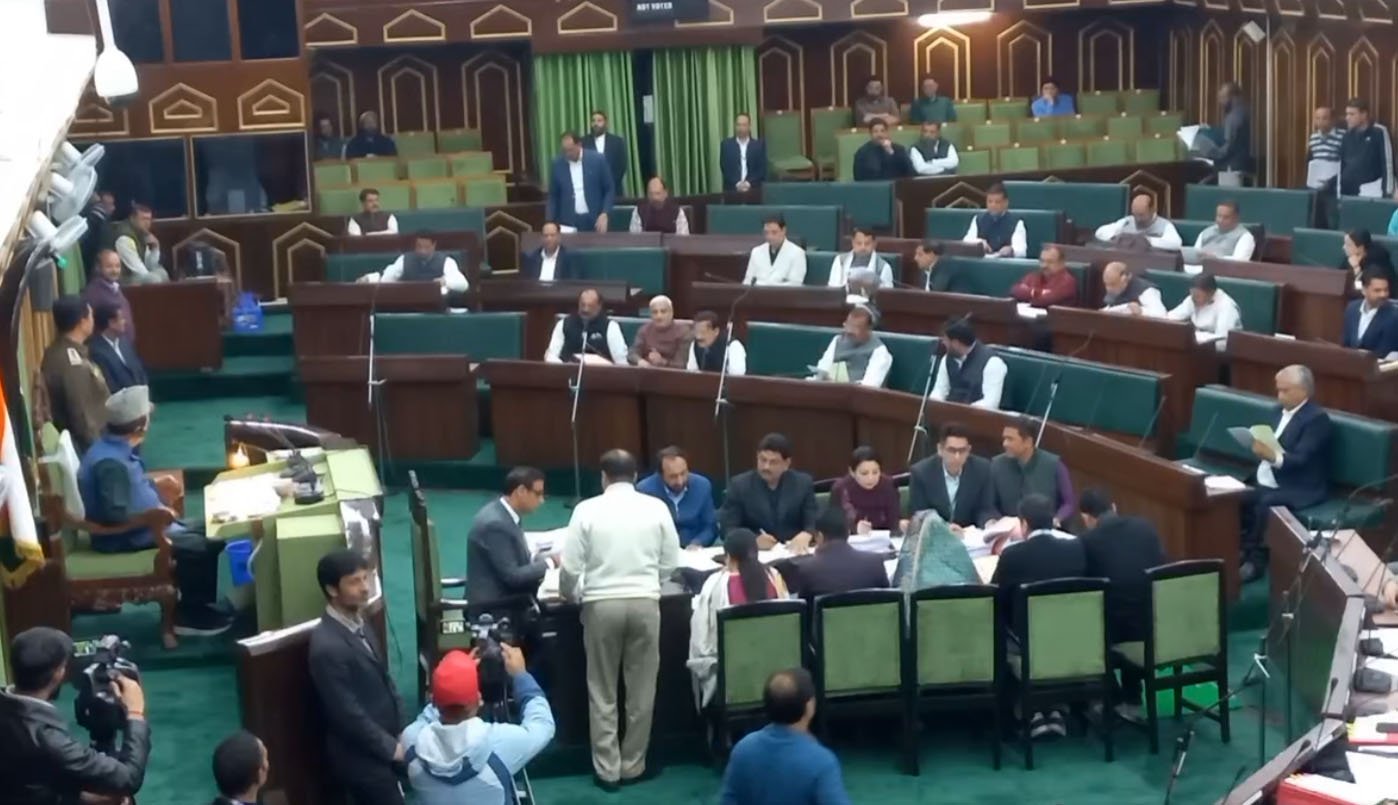
Jammu, February 17, 2026 : The Government of Jammu and Kashmir on Tuesday informed the Jammu and Kashmir Legislative Assembly that a total of 1,00,501 Casual, Daily Rated and Other Workers have been registered across various departments through Aadhaar-based biometric identification and skill profiling.
The information was tabled in the House through a written reply during the ongoing Assembly session in response to multiple starred questions concerning the long-pending demand for regularisation of workers engaged for over two decades.
Category-wise Break-up of Registered Workers
As per official data placed before the Assembly, the registered workers include:
-
69,696 Casual Labourers
-
8,534 Seasonal Labourers
-
8,836 Daily Rated / Work Charged Employees
-
3,092 Part-Time Workers
-
156 CIC Operators
-
5,757 NYC Hamals/Drivers (FCS&CA Department)
-
1,929 Workers under Hospital Development Fund
-
2,153 Part-Time Sweepers
-
348 Settlement Assistants (Revenue Department)
Regional Distribution
Division-wise data shows that:
-
57,390 workers belong to the Kashmir Division
-
40,077 workers are from the Jammu Division
Departments With Highest Engagements
Among departments, the highest number of casual and daily wagers are engaged in:
-
PHE / I&FC: 38,585
-
Power Development Department: 13,616
-
Education Department: 12,646
-
Forest Department: 8,317
-
Public Works Department (R&B): 6,801
Committee Examining Regularisation
The government further informed the House that a high-level committee has been constituted vide Government Order No. 384-JK(GAD) of 2025 dated 19.03.2025, headed by the Chief Secretary Jammu and Kashmir, to examine the issue of regularisation.
The Committee has been tasked with assessing:
-
Different categories of workers
-
Applicable service rules
-
Financial implications
-
Legal and constitutional aspects
before recommending a comprehensive roadmap for regularisation.
Legal & Financial Constraints Highlighted
The government clarified that the issue involves complex legal, administrative, and financial considerations, including adherence to constitutional provisions and judicial pronouncements governing public employment.
It assured the House that appropriate action will be taken after the Committee submits its recommendations, strictly within the established legal and fiscal framework.
The statement comes amid sustained protests by daily wagers and casual employees demanding early regularisation of services.