

New Delhi, July 12, 2026: Antibiotic resistance is rapidly emerging as one of the greatest challenges facing modern surgical care, with leading surgeons and public health experts warning that the growing inability of antibiotics to combat infections could jeopardize even routine operations and reverse decades of medical progress.
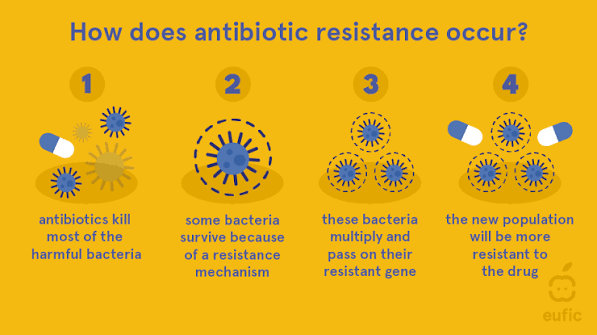
Medical experts say that while antibiotics have long been the cornerstone of preventing surgical site infections (SSIs), their excessive and indiscriminate use has accelerated antimicrobial resistance (AMR), making common bacterial infections increasingly difficult to treat. As resistant bacteria continue to spread, hospitals are being compelled to adopt stricter antibiotic stewardship programmes and place greater emphasis on infection prevention rather than prolonged antibiotic therapy.
Dr. Amarchand Bajaj, Senior Consultant in General Surgery at the Sitaram Bhartia Institute of Science and Research, stressed that successful surgery depends not only on surgical expertise but also on the continued effectiveness of antibiotics.
“Whether it is an appendectomy, gall bladder surgery, or major gastrointestinal surgery, the inability to treat infections caused by resistant bacteria can significantly increase complications, delay recovery, and prolong hospital stays,” he said.
According to the World Health Organization (WHO), surgical site infections remain the most common healthcare-associated infections in low- and middle-income countries, affecting up to 11 percent of patients undergoing surgery.
The WHO recommends that antibiotics used for surgical prophylaxis should generally be administered before the surgical incision and should not routinely be continued after surgery in most cases. Experts note that prolonged antibiotic use provides little additional benefit while significantly contributing to antimicrobial resistance.
Dr. Bajaj highlighted that the widespread misconception that “more antibiotics provide better protection” continues to influence both patients and some healthcare practices.
“The objective is to administer the right antibiotic at the right time and discontinue it when clinical evidence supports doing so. Every unnecessary antibiotic dose contributes to resistance while exposing patients to avoidable side effects,” he explained.
Hospitals are increasingly encountering multidrug-resistant bacteria such as Klebsiella pneumoniae, Acinetobacter baumannii, and Methicillin-resistant Staphylococcus aureus (MRSA), making the treatment of post-operative infections considerably more complex.
Experts emphasized that preventing infections requires a comprehensive strategy extending far beyond antibiotic prescriptions.
Dr. Asuri Krishna, Professor in the Department of Surgery at AIIMS New Delhi, said improving patient health before surgery, controlling diabetes, encouraging smoking cessation, maintaining strict operating theatre sterility, ensuring proper skin preparation, administering antibiotics at the correct time, and promoting early patient mobilisation after surgery are all essential measures for reducing infection risks.
“Antibiotics alone cannot compensate for poor infection-control practices,” he noted.
Globally, antimicrobial resistance has already become a major public health emergency. A widely cited study published in The Lancet estimated that bacterial antimicrobial resistance directly caused approximately 1.27 million deaths in 2019, while nearly 4.95 million deaths were associated with drug-resistant bacterial infections worldwide.
Experts warn that these alarming trends pose a serious threat to surgical care, where effective antibiotics remain indispensable for preventing and treating post-operative infections.
Dr. V. K. Bansal, Professor in the Department of Surgery at AIIMS New Delhi, said antimicrobial stewardship programmes have now become an integral part of surgical practice.
These programmes promote evidence-based antibiotic selection, timely administration before surgery, microbiological surveillance, and continuous monitoring of prescribing patterns to minimise unnecessary antibiotic exposure without compromising patient safety.
The surgeons also called for greater public awareness, noting that many patients continue to expect antibiotics for several days after surgery despite international guidelines advising against such practices for most clean surgical procedures.
“As bacteria become increasingly resistant, preserving the effectiveness of existing antibiotics is everyone’s responsibility. Every surgeon, every hospital, and every patient has a role in ensuring these life-saving medicines remain effective for future generations,” Dr. Bansal said.
India has also strengthened efforts to monitor surgical site infections nationwide. An Indian Council of Medical Research (ICMR)-led multicentric surveillance study involving hospitals across the country reported an overall surgical site infection incidence of 5.2 percent.
The study identified prolonged surgical duration, contaminated wounds, higher anaesthesia risk scores, and complex procedures such as debridement and laparotomy as the major risk factors for developing surgical infections.
Researchers believe the surveillance programme provides one of India’s first comprehensive nationwide estimates of surgical site infections and will help hospitals strengthen infection-control strategies, improve patient safety, and combat the growing threat of antimicrobial resistance.