

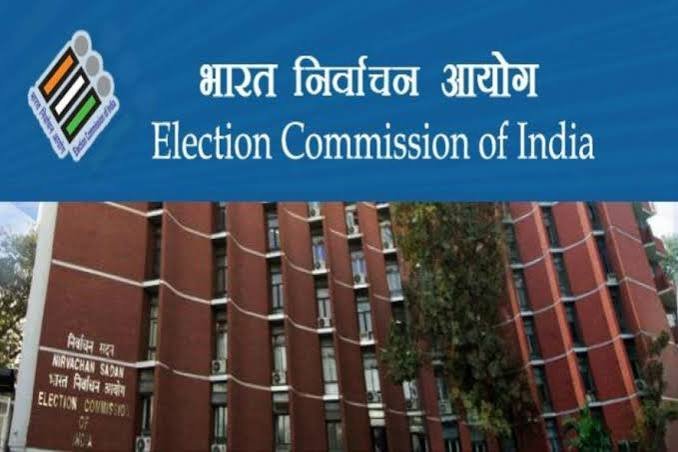
New Delhi, July 12, 2026 : The Election Commission (EC) has made it mandatory for new applicants seeking inclusion in the electoral rolls to provide their parents’ Special Intensive Revision (SIR) details while submitting Form 6, a move aimed at improving voter verification and ensuring the accuracy of electoral rolls.
According to Election Commission officials, the requirement applies not only to existing voters who were not covered during previous Special Intensive Revision (SIR) exercises but also to all new voters applying for registration.
Officials clarified that applicants filing Form 6 must submit a declaration containing the SIR details of their parents. The declaration was first introduced during the Bihar Special Intensive Revision (SIR) launched in June last year, where all new voter applications were accompanied by the additional declaration.
An Election Commission official explained that although the declaration has been made mandatory through administrative instructions, Form 6 itself has not been formally amended.
“The declaration helps map electors more efficiently and reduces the number of supporting documents new applicants need to submit along with their registration forms,” the official said.
The EC has also integrated the declaration into its online registration system. Applicants filling Form 6 digitally cannot proceed with the registration process unless the mandatory declaration regarding their parents’ SIR details is completed.
Meanwhile, the Election Commission has strongly defended the ongoing Special Intensive Revision (SIR) of electoral rolls, dismissing concerns raised by United Nations Special Rapporteurs regarding the transparency of the exercise.
EC officials maintained that the revision process is fully constitutional, transparent, and consistent with directions endorsed by the Supreme Court. According to the Commission, the primary objective of the SIR is to ensure that all eligible Indian citizens are included in the electoral rolls while removing duplicate entries, deceased voters, individuals who have permanently shifted, absent electors, and foreign nationals who may have been incorrectly registered.
Responding to allegations regarding the large-scale deletion of minority voters, particularly in Nandigram, West Bengal, Election Commission officials rejected the claims and asserted that every eligible voter was provided adequate opportunities to raise objections or appeal against exclusions during the revision process.
The clarification comes after UN Special Rapporteurs, in a recent communication to the Government of India, expressed concerns over the Special Intensive Revision, alleging that the exercise lacked sufficient transparency and could potentially affect voter rights.
The Election Commission, however, has reiterated that the revision is intended solely to enhance the integrity, accuracy, and credibility of India’s electoral rolls ahead of future elections.