


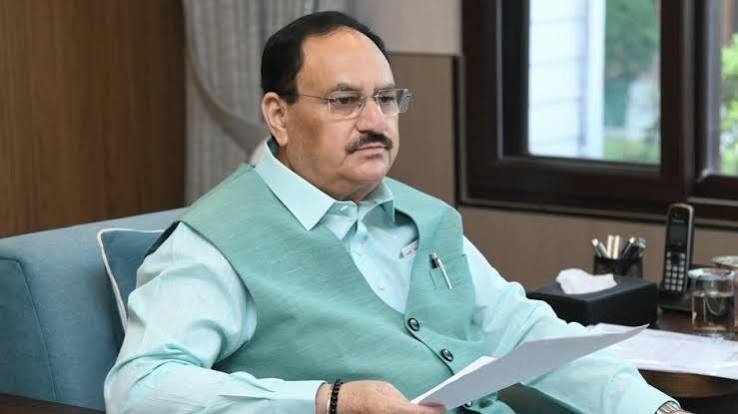
New Delhi, August 21, 2026 : Union Health Minister J P Nadda on Friday reviewed the prevailing H1N1 influenza situation and the country’s preparedness to deal with seasonal influenza, with particular attention to the national capital.

Delhi Health Minister Pankaj Kumar Singh also participated in the review meeting.
The Union Health Ministry said Nadda assessed the latest national surveillance and epidemiological situation, trends in influenza-like illness (ILI) and severe acute respiratory infections (SARI), testing and laboratory surveillance, as well as the preparedness of healthcare facilities to manage seasonal influenza cases.
Focus on Early Detection and Timely Treatment
Nadda stressed the importance of maintaining constant vigilance and robust surveillance to track influenza trends and detect any emerging increase in cases at an early stage.
He called for proactive preparedness by health authorities so that suspected and confirmed cases can be identified promptly and receive timely clinical management.
The minister also reviewed healthcare preparedness in Delhi, including the availability of hospital beds, critical-care facilities, medicines and other essential supplies required to manage seasonal influenza and severe respiratory illnesses.
Public Awareness Emphasised
The Health Ministry also underlined the importance of public awareness and preventive health practices to reduce the spread of respiratory infections.
People were advised to maintain respiratory hygiene and hand hygiene, while individuals experiencing persistent or severe respiratory symptoms, breathing difficulty or other warning signs were urged to seek medical advice without delay.
Continuous Monitoring Across States
According to the ministry, the situation is being closely and continuously monitored. The Centre is coordinating with states and Union territories, hospitals, laboratories and other stakeholders to strengthen surveillance and preparedness.
The coordinated approach is aimed at ensuring early detection, effective surveillance, timely clinical management and proactive preparedness for seasonal influenza, including H1N1.
H1N1, commonly known as swine flu, is an influenza virus that can cause seasonal respiratory illness. Symptoms may include fever, cough and sore throat, while vulnerable individuals can develop more serious respiratory complications.
The ministry has reiterated that continued adherence to hand and respiratory hygiene practices remains an important measure for limiting the spread of respiratory infections.