

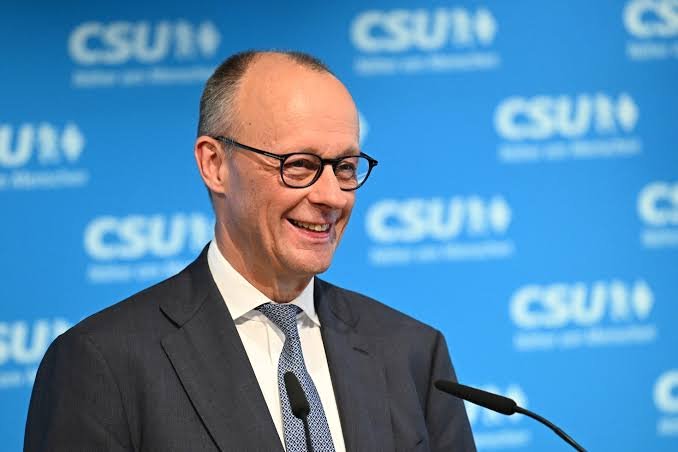
BERLIN, November 18, 2026 : Germany’s governing coalition has agreed in principle to reduce electricity taxes for households and businesses in 2027, ending a prolonged political standoff that had raised questions about Chancellor Friedrich Merz’s credibility and leadership.

The agreement between Merz’s centre-right Union bloc and the centre-left Social Democrats fulfils a key coalition commitment to reduce electricity taxes to the minimum permitted under European Union rules.
⚡ MAJOR TAX CUT FOR CONSUMERS
Under the agreement, electricity tax will be reduced from 2.05 cents to 0.1 cent per kilowatt-hour for households and businesses that have not already benefited from earlier reductions.
The government said the measure could deliver meaningful savings on electricity bills. Small businesses, including hair salons, could save several hundred euros annually, depending on their electricity consumption.
The tax reduction will initially apply only to 2027.
💶 €5.4 BILLION FUNDING CHALLENGE
The proposed relief had triggered weeks of disagreements within the coalition over how to cover its estimated annual cost of €5.4 billion, equivalent to approximately $5.9 billion.
The dispute intensified after lawmakers finalised the draft budget for next year without including the promised tax reduction.
Following lengthy talks, coalition leaders agreed to finance the 2027 measure using surplus funds earmarked for renewable energy. However, funding for 2028 and subsequent years remains unresolved.
Merz defended the decision, saying his government had fulfilled its promise to reduce electricity taxes.
📉 POLITICAL PRESSURE ON CHANCELLOR MERZ
The agreement comes at a challenging time for Merz, whose authority has been weakened by a series of state election defeats in September.
The prolonged dispute over electricity tax relief had fuelled public frustration over coalition infighting and raised concerns about the government’s ability to deliver on its commitments.
With five more state elections scheduled for 2027, the government faces mounting pressure to demonstrate tangible improvements in living standards and economic performance.
🏭 GERMANY FACES WIDER ECONOMIC CHALLENGES
Beyond electricity prices, Merz’s government must tackle Germany’s persistently sluggish economy and advance reforms to strengthen long-term growth.
Potentially difficult changes to the country’s pension and healthcare systems remain among the major challenges confronting the coalition.
Although Germany’s next national election is not scheduled until 2029, the coming state elections could prove important in determining the coalition’s political stability and public support.
Truth Prevail — Bringing You the Headlines That Matter!