


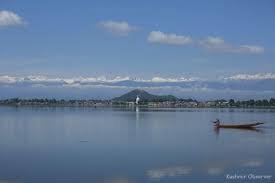
JAMMU, April 10, 2026 : The Comptroller and Auditor General of India (CAG) has raised serious concerns over the shrinking size of Dal Lake, reporting a 10.15% decline in open water and submerged vegetation between 2007 and 2020.
According to the audit, the lake’s water spread reduced from 15.40 sq km in 2007 to 12.91 sq km in 2020, reflecting growing ecological stress.
Changing Land Use Patterns
The report highlighted significant shifts in land use around the lake:
- Floating vegetation increased from 5.26 to 6.79 sq km
- Crop land & plantations rose from 2.29 to 2.85 sq km
- Built-up areas expanded from 0.74 to 1.02 sq km
This indicates increasing human pressure and encroachment impacting the lake’s ecosystem.
Causes of Deterioration
The CAG attributed the decline to multiple systemic failures:
- Inefficient and malfunctioning sewage treatment plants (STPs)
- Continued inflow of untreated sewage and solid waste
- Encroachments in areas like Mir Behri, Lati Mohalla, and Nandapora
- Poor de-weeding and monitoring mechanisms
- Failure to regulate land use by authorities
The report noted that nutrient inflow has increased, leading to excessive weed growth and further reduction in open water.
Gaps in Conservation Efforts
The audit flagged serious lapses in programmes like:
- National Lake Conservation Programme (NLCP)
- Prime Minister’s Reconstruction Programme (PMRP)
Key shortcomings included:
- Delays in STP upgrades and sewer networks
- Incomplete relocation of houseboats and Dal dwellers
- Underutilisation of funds (₹48.63 crore to ₹280.68 crore during 2017–22)
- Lack of project planning and monitoring
Despite spending over ₹45 crore on STPs, sewage treatment remained below prescribed standards.
Environmental Warning
Describing Dal Lake as the “liquid heart” of Srinagar, the CAG warned that continued delays and weak implementation could severely impact its ecological balance and long-term sustainability.
Recommendations
The audit suggested urgent corrective measures:
- Formulation of a robust lake management policy
- Upgradation and proper functioning of STPs
- Improved sewage and solid waste management
- Periodic monitoring of water spread
- Strong action against encroachments
- Public awareness to prevent illegal construction
Conclusion
The findings highlight a critical need for immediate and coordinated action to restore Dal Lake’s shrinking water body and preserve its ecological and cultural significance.