


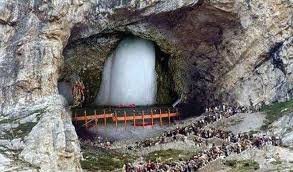
NEW DELHI, June 10, 2026 : With the annual Shri Amarnath Ji Yatra (SANJY) 2026 scheduled to commence on July 3, the Central Reserve Police Force (CRPF) has significantly enhanced security measures across Jammu and Kashmir, intensifying counter-terror operations in vulnerable regions and strengthening surveillance mechanisms along the pilgrimage routes.

The comprehensive security plan is aimed at ensuring a peaceful, safe, and incident-free pilgrimage for thousands of devotees expected to participate in the 57-day annual yatra, which will conclude on August 28, 2026.
High Alert Across Kashmir Ahead of Yatra
Security agencies have activated an extensive multi-layered security framework covering both the Pahalgam and Baltal routes leading to the sacred Amarnath Cave Shrine in the Kashmir Himalayas.
Officials stated that counter-terror operations have been intensified in higher-altitude ridges and vulnerable mountainous zones, while round-the-clock surveillance is being maintained in the plains to prevent any security threats.
The move comes amid preparations for one of India’s most significant annual religious pilgrimages, which attracts devotees from across the country and abroad.
CRPF Chief Reviews Security Preparedness
The enhanced deployment follows specific directives issued by CRPF Director General G.P. Singh, who is currently on a three-day visit to Jammu and Kashmir to review security arrangements.
On the first day of his visit, the CRPF chief chaired a high-level security review meeting in Srinagar with senior officers and field commanders.
During the meeting, officials assessed the existing security architecture and discussed strategies to strengthen coordination among various agencies responsible for securing the pilgrimage.
According to officials familiar with the discussions, the primary objective is to maintain peace, normalcy, and seamless movement of pilgrims throughout the yatra period.
Counter-Terror Operations Scaled Up
Senior commanders have been instructed to intensify anti-terror operations in sensitive areas, particularly along high mountain ridges that overlook the pilgrimage routes.
Officials said security personnel have been directed to:
- Increase area domination patrols.
- Strengthen surveillance and intelligence gathering.
- Conduct continuous monitoring of vulnerable sectors.
- Maintain heightened vigilance across populated areas and transit corridors.
- Ensure rapid response capabilities in case of any security contingency.
The measures form part of the Standard Operating Procedures (SOPs) adopted annually ahead of the Amarnath Yatra, with additional emphasis placed on emerging security challenges.
Robust Security Grid Along Yatra Routes
The security grid has been expanded to cover the entire pilgrimage corridor, including:
Pahalgam Route
Traditionally considered the longer but gradual route to the holy cave shrine.
Baltal Route
A shorter yet steeper route frequently used by pilgrims seeking quicker access to the shrine.
Security forces are coordinating closely with local administration, intelligence agencies, disaster management teams, and other stakeholders to ensure comprehensive protection throughout the pilgrimage season.
No-Flying Zone Declared
As part of the enhanced security arrangements, authorities have declared all Amarnath Yatra routes as a “No Flying Zone” from July 1, 2026, until the completion of the pilgrimage.
The restriction covers both the Pahalgam and Baltal axes and is intended to prevent unauthorized aerial activity over sensitive pilgrimage areas.
Helicopter Services Suspended
Authorities have also announced that helicopter services for pilgrim transportation will not be available during the 2026 yatra period.
Pilgrims intending to visit the holy cave shrine have been advised to undertake the journey:
- On foot,
- By using pony services,
- Or through palki (palanquin) facilities available along designated routes.
About Shri Amarnath Ji Yatra 2026
The Shri Amarnath Ji Yatra is organized annually by the Shri Amarnathji Shrine Board (SASB) and remains one of India’s most revered spiritual pilgrimages.
Devotees undertake the challenging journey through the Himalayan terrain to offer prayers at the holy cave shrine, home to the naturally formed ice Shivling, regarded as a sacred manifestation of Lord Shiva.
Every year, the pilgrimage witnesses participation from thousands of devotees, making security preparedness and logistical planning critical components of its successful conduct.
Focus on Safe and Peaceful Pilgrimage
With security forces, administration, and shrine authorities working in close coordination, preparations for Amarnath Yatra 2026 are entering the final phase.
Officials remain confident that the strengthened security grid, enhanced surveillance systems, and proactive counter-terror measures will help ensure a secure and smooth pilgrimage experience for devotees throughout the 57-day spiritual journey.