


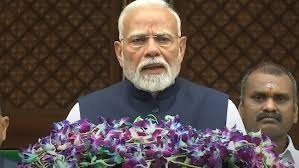
New Delhi, July 24, 2026 : The Union Cabinet on Friday approved a draft bill proposing stricter punishments to curb paper leaks and examination-related fraud, just hours after Prime Minister Narendra Modi announced that the government would introduce stronger legal measures to safeguard the integrity of public examinations.

The move comes amid growing public concern over repeated examination paper leak incidents across the country. While announcing the decision, the Prime Minister reiterated the Centre’s commitment to ensuring transparency, fairness and accountability in recruitment and entrance examinations.
It is noteworthy that the Centre had already enacted The Public Examinations (Prevention of Unfair Means) Act, 2024, which came into force after President Droupadi Murmu gave her assent. The legislation was officially notified in June 2024 during widespread controversy surrounding the alleged NEET and UGC-NET paper leaks.
Before the enactment of this law, India did not have a dedicated central legislation specifically addressing unfair means, organised cheating or paper leak offences in public examinations conducted by the Central Government and its agencies.
Key Provisions of the 2024 Law
The Act covers examinations conducted by major central agencies, including:
- Union Public Service Commission (UPSC)
- Staff Selection Commission (SSC)
- National Testing Agency (NTA)
- Railway Recruitment Boards
- Banking recruitment agencies
- Other Central Government examination authorities
The law provides stringent punishment for those involved in examination fraud:
- 3 to 5 years of imprisonment for individuals found guilty of using unfair means.
- 5 to 10 years of imprisonment for organised paper leak rackets and cheating syndicates.
- Minimum fine of ₹1 crore for organised offences involving paper leaks and examination fraud.
Strengthening Examination Security
Apart from prescribing strict penalties, the legislation also empowers examination authorities to engage other government agencies for security and investigations. It provides for the preparation of uniform standards and guidelines to prevent unfair practices and mandates reporting of any incidents related to examination malpractice.
The newly approved draft bill is expected to further strengthen the existing legal framework, close enforcement gaps and enhance the government’s ability to tackle organised examination fraud through tougher penalties and improved investigation mechanisms.
The Centre maintains that protecting the credibility of public examinations remains a top priority and that strict legal action against those responsible for paper leaks will help restore public confidence in the country’s recruitment and education systems.