

Srinagar | October 29, 2026 : The suspension of fuel-powered motorboats on Kashmir’s iconic Dal Lake has left boat operators facing uncertainty, with tourism-linked livelihoods hanging in the balance as they await the next hearing of the High Court of Jammu and Kashmir and Ladakh.

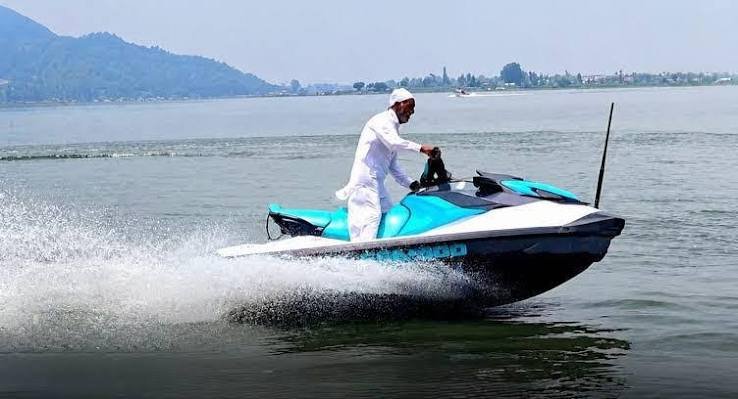
The court issued the order on October 14, suspending the operation of fuel-powered motorboats, including motorised shikaras and jet skis, following a petition raising concerns over the transparency and criteria used to grant licences.
⚖️ WHY WAS THE BAN IMPOSED?
According to the petitioners, licences had previously been issued by tourism authorities before responsibility was transferred to the Regional Transport Office (RTO).
They argued that the criteria for granting permissions were not publicly available, raising questions about fairness and transparency in the licensing process.
The matter is now awaiting further consideration by the High Court, with the next hearing scheduled for Friday, as reported.
🚤 OPERATORS WORRIED ABOUT THEIR LIVELIHOODS
The immediate enforcement of the order has affected people working in the motorboat sector.
Irfan Naqash, an employee of a Dal Lake motorboat operator, said those associated with the industry were waiting for the court’s next decision and hoped it would take all relevant factors into account.
He also highlighted the possibility of solar-powered and electric boats as alternatives, while stressing that their financial feasibility must be examined because the cost could be beyond the reach of some operators.
🌱 ENVIRONMENTAL PROTECTION VS. ECONOMIC SURVIVAL
Another operator acknowledged the importance of protecting Dal Lake but argued that its pollution stems from multiple sources that also require attention.
The situation highlights a difficult balance: protecting one of Kashmir’s most important ecological and tourism assets while safeguarding the livelihoods of people who depend on it.
🌊 A SUSTAINABLE FUTURE FOR DAL LAKE
Environmental experts in the Valley stress that Dal Lake holds immense ecological, cultural and tourism value, making its long-term conservation and restoration a shared responsibility.
Potential solutions will need to consider:
✅ Reducing pollution and protecting the lake’s ecosystem.
✅ Examining the feasibility and affordability of electric and solar-powered boats.
✅ Ensuring transparent and fair licensing procedures.
✅ Considering the economic impact on boat operators and tourism-related workers.
📌 The key question remains: Can a sustainable solution protect Dal Lake without placing an unmanageable financial burden on the people whose livelihoods depend on it?
The next court hearing is expected to be closely watched by operators and others connected with Dal Lake’s tourism economy.