

By M S Nazki

Med Tech Conclave : Driving Medical Excellence through technology innovation and enhanced patient care!
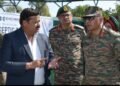
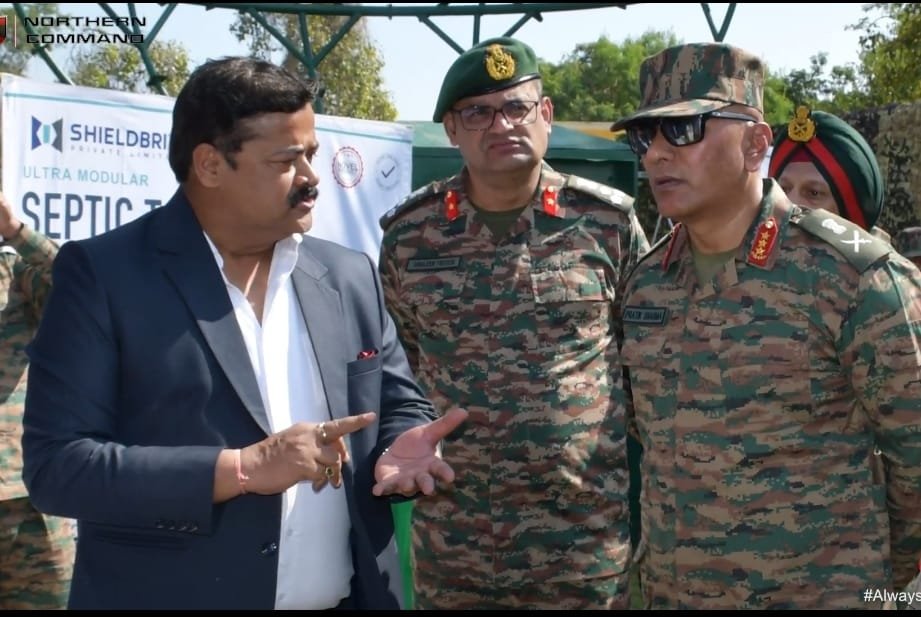
Lt Gen Pratik Sharma, ArmyCdrNC visited Med Tech Conclave organised at Military Hospital, #Jammu under the aegis of White Knight Corps.
-Bringing together medical professionals and technology stakeholders from across the country, the conclave featured live demonstrations, technical seminars and panel discussions on combat-zone patient safety, medical innovation and next-generation military healthcare.
-This initiative gave a unique opportunity to the Industry to showcase their products and align their pursuits in sync with the requirements of the field army. The scale of participation by the Industry reflected the symbiotic bond between the #IndianArmy and the #Industry eco system towards finding indigenous solutions to combat healthcare requirements.
A story we will dish out:
-The fluorescent lights of the hospital basement hummed in a low, tired C-sharp. It was 3:15 AM, and Clara—a medical technologist (Med-Tech) with ink-stained lab logs and permanent circles under her eyes—sat cross-legged on a swivel stool, watching a chemistry analyzer glow like a miniature neon city.
-To the rest of the hospital upstairs, life and death played out in high-stakes drama: footsteps rushing down polished corridors, muffled code blues, and families weeping in waiting rooms. Down here, the drama arrived in little plastic tubes.
-A pneumatic tube hissed open near the wall, rattling a red-capped vial onto the foam tray. Clara picked it up. Name: Baby Boy Vance. Unit 4B. Stat CBC and electrolyte panel.
-She spun around to her console. For most people, a tube of blood was a messy, unsettling sight. For Clara, it was a silent language. She loaded the sample into the cell counter, her fingers tapping a steady rhythm against the edge of the workbench while the machine whirred through its internal choreography.
-The printer began to chatter, spitting out a strip of thermal paper.
-Clara’s eyes scanned the numbers. Her breath hitched. The potassium was climbing past critical—dangerously high, threatening to short-circuit a newborn’s tiny heart before the morning rounds even began.
-There was no hesitation. She didn’t wait for the batch run to finish. Her fingers flew across the intercom keys, punching the extension for the 4B nurse station.
-“ICU/4B, this is Clara in Lab. I’ve got a critical potassium on Baby Boy Vance. Repeat: critical high. I’m pushing the flag to your terminal right now.”
-“Got it, Clara,” a voice rasped back, wide awake and tense. “We’re moving on it.”
-Clara exhaled, leaning back against the cold laminate of the counter. She pulled off her nitrile gloves, her skin smelling faintly of bleach and antiseptic. No one in room 4B would ever know her name. No plaque would bear her face, and the baby would grow up never knowing the quiet girl in the basement who caught the silent spike in his blood at 3:16 AM.
-She turned back to the rack, picked up the next barcode scanner, and fed the next tube into the dark, steady heart of the machine
-The History:
-The history of medical technology spans from ancient healing traditions and early diagnostic theories to modern digital and robotic healthcare systems.
-Ancient and Early Eras (Pre-18th Century)
* Folk & Spiritual Medicine: Early civilizations relied on a blend of ritual, superstition, and herbal remedies. Sumerians and Egyptians used willow bark (a natural source of aspirin) for pain relief over 3,500 years ago.
* Theory of the Four Humors: Ancient Greek physician Hippocrates (c. 460–377 BC), known as the “father of medicine,” and later Galen advanced natural explanations for disease tied to bodily fluids (blood, phlegm, yellow bile, black bile).
* Early Instruments: Rudimentary surgical tools, trepanation (skull drilling), and early forms of acupuncture and pulse diagnosis emerged across ancient Greece, India (Ayurveda and Sushruta), China, and Egypt.
* Medieval Diagnostics: Uroscopy (the visual inspection of urine color, density, and quality) became a primary diagnostic method in medieval Europe and the Islamic world.
-The 19th-Century Revolution (Instrument-Based Care)
* The Stethoscope (1816): René Laennec invented the stethoscope, shifting medical practice from a patient’s subjective description of symptoms to objective, instrument-based listening.
* Microscopy & Germ Theory: Advances in microscopy (Antonie van Leeuwenhoek earlier, refined in the 19th century), Louis Pasteur’s germ theory, and Robert Koch’s isolation of disease-causing bacilli transformed pathology and infection control.
* Diagnostic Imaging & Tools: Wilhelm Roentgen discovered X-rays (1895), allowing non-invasive visualization of bones and internal structures. Other milestones included the laryngoscope (1855), sphygmomanometer (1881), and Willem Einthoven’s electrocardiograph (1903).
-The 20th-Century MedTech Boom
* Pharmacology & Vaccines: Alexander Fleming discovered penicillin (1928), launching the antibiotic era. Mass vaccination programs eradicated smallpox (1980) and tamed polio (Salk and Sabin vaccines).
* Life Support & Transplants: The Drinker respirator (“iron lung,” 1927), artificial pacemakers (early 20th century), and the first successful organ transplants (such as Joseph Murray’s kidney transplant in 1954) revolutionized critical care.
* Advanced Imaging: The invention of CT scans and MRIs in the 1970s provided high-resolution, three-dimensional views of soft tissues and internal organs.
* Molecular Biology: Kary Mullis invented the polymerase chain reaction (PCR) in 1985, opening the door to modern genetic diagnostics.
-The 21st-Century Digital and Robotic Era
* Minimally Invasive Robotics: Systems like the Da Vinci surgical system introduced high-precision, robot-assisted surgical techniques.
* Genomics: The completion of the Human Genome Draft (2000) shifted medicine toward precision and personalized healthcare.
* AI and Wearables: Contemporary medical technology focuses on AI-powered diagnostic algorithms, wearable health monitors, telemedicine, and 3D bioprinting.
-Pioneers and innovators in medical technology and biomedical engineering have fundamentally transformed diagnostic, therapeutic, and laboratory sciences:
* Charles R. Drew – Pioneered large-scale blood preservation, storage techniques, and mobile blood banks, laying the groundwork for modern transfusion medicine.
* Wilhelm Röntgen – Discovered X-rays in 1895, revolutionizing non-invasive diagnostic imaging.
* Godfrey Hounsfield & Allan McLeod Cormack – Developed the X-ray computed tomography (CT) scanner, earning a Nobel Prize for transforming cross-sectional body imaging.
* Helen Murray Free – Created dry-reagent chemical dip-and-read tests for diabetes and glucose monitoring, revolutionizing patient self-testing.
* Earl Bakken & John Heysham Gibbon – Bakken co-founded Medtronic and built the first battery-operated external pacemaker; Gibbon invented the heart-lung machine, enabling open-heart surgery.
* Robert Langer – Engineered controlled-release drug delivery systems and tissue engineering principles that reshaped cancer and targeted therapeutics.
* Atul Butte – A pioneer in translational bioinformatics who integrated large-scale genomic and clinical data repositories for drug discovery.
-India does not have a single official or universally designated “greatest medical technologist,” as the field spans medical laboratory technology, biomedical engineering, and diagnostic innovation. However, several pioneering leaders and innovators are widely recognized for shaping India’s medical technology and diagnostics landscape:
* Dr. Jitendra Sharma: Often referred to in the sector, he is the Founder and CEO of the Andhra Pradesh MedTech Zone (AMTZ)—the world’s largest medical devices research and manufacturing park—as well as the Founder Executive Director of the Kalam Institute of Health Technology (KIHT) and Chairman of the Indian Biomedical Skill Council.
* Dr. Arokiaswamy Velumani: The founder of Thyrocare, he revolutionized automated, low-cost, high-volume diagnostic and thyroid testing across India, building one of the nation’s largest diagnostic networks.
* Suresh Vazirani: The Chairman and Managing Director of Transasia Bio-Medicals Ltd. and Chancellor of the Erba Global Institute of Medical Technology, he is a key figure in indigenous in-vitro diagnostics (IVD) and medical instrumentation manufacturing in India.
-The role:
-Medical technicians (Med Techs) and combat medics provide frontline trauma care, stabilization, and evacuation for wounded personnel in high-stress, low-resource combat environments.
-Key Roles and Responsibilities
* Trauma Care: Administering immediate life-saving aid, including hemorrhage control (tourniquets and clotting agents), advanced airway management, and treating tension pneumothoraces.
* Vascular Access: Establishing rapid intravenous (IV) lines or intraosseous access under fire or in austere conditions, aided by emerging innovations like AI-guided ultrasound devices.
* Casualty Evacuation (MEDEVAC): Triage, monitoring, and stabilizing patients during transport from Role I (tactical frontline) to higher-level Role II/III military treatment facilities.
-Recent Developments
* Northern Command MedTech Conclave (Jammu, October 2026): The Indian Army’s White Knight Corps hosted a MedTech conclave at the Military Hospital in Jammu to review indigenous combat healthcare solutions, patient safety innovations, and next-generation field medical gear with industry stakeholders.
* AI in Combat Care: Technologies such as MIT’s AI-Guide ultrasound tool have received regulatory breakthroughs to assist frontline providers in securing rapid vascular access in severe environments.
-Definition:
-Medical Technology can be defined as the technologies that diagnose, treat and/or improve a person’s health and wellbeing, encompassing both low- and high-risk medical devices – products that can be as varied from tongue depressors, surgical gloves and medical thermometers to insulin pumps, pacemakers and in vitro diagnostics – and used to save the lives of patients everywhere across Asia Pacific every day.
-Medical devices assist healthcare professionals to diagnose and treat patients with a higher level of accuracy and in a timelier fashion, and help patients overcome sickness or disease, improving their quality of life.
-And while a global definition of what defines as a medical device is difficult to establish due to the various regulatory bodies worldwide that oversee the use and categorisation of medical devices, there is a very high likelihood that people are surrounded by medical devices without even realising it.
-How to become a medical To become a Medical Technician (Medical Assistant) in the Indian Armed Forces (such as the Indian Navy or Army Medical Corps)
-(Medical Assistant) in the Indian Armed Forces (such as the Indian Navy or Army Medical Corps), you need specific educational qualifications, physical fitness standards, and structured training.
-Educational and Age Requirements
-Academic Qualification: Pass in 10+2 / Intermediate examination with Physics, Chemistry, and Biology (PCB) from a recognized Board of School Education with a minimum of 50% marks in aggregate and at least 40% marks in each subject.
-Age Limit: Generally ranges between 17 to 21 or 23 years depending on the specific recruitment batch and branch notification (e.g., Indian Navy SSR Medical entry).
-Selection and Physical Standards
-Physical Fitness Test (PFT): Qualifying in a mandatory physical fitness test is required.
-Medical Standards: Candidates must pass a thorough medical examination conducted by military doctors; visual standards, height, and general health must meet current armed forces regulations.
-Training Requirements
-Basic Training: Recruits undergo initial military and basic training at designated centers (such as INS Chilka for the Navy or respective Army training centers) to learn core discipline, physical endurance, and military life.
-Professional / Technical Training: Following basic training, personnel complete specialized professional training in nursing, first-aid, medical store management, dispensaries, ward supervision, and field medical assistance.
-The following is the World Health Organization’s definition of what is a medical device:
-‘Medical device’ means any instrument, apparatus, implement, machine, appliance, implant, reagent for in vitro use, software, material or other similar or related article, intended by the manufacturer to be used, alone or in combination, for human beings, for one or more of the specific medical purpose(s) of:
Medical technologists test fluid and tissue samples to help physicians properly diagnose and treat their patients. Read more about this health care career, including tips on how to get started.
[Featured image] A medical technologist touches a monitor in a hospital setting.
Medical technologists are similar to behind-the-scenes medical detectives. They’re highly trained, highly skilled scientists who perform tests to help physicians diagnose and treat diseases—an essential role in the health services world.
The role of medical technologists continues evolving in India, and they remain critical parts of the health care system. Additionally, as more clinics and hospitals open nationwide and the population continues growing, the demand for skilled medical technologists remains high.
Let’s take a closer look at what medical technologists do, their educational requirements, and the skills they need to help you decide if this is a field you’d like to pursue.
-What do medical technologists do?
Medical technologists are behind-the-scenes testing and analysing body fluids (like blood and urine) and tissue samples at a lab or a doctor’s office. These laboratory test results aid in the diagnosis and treatment of patients.
-Medical technologists, also called medical laboratory scientists, clinical laboratory technologists, or technicians, often work in hospitals, diagnostic laboratories, GP surgeries, outpatient care centres, or universities. If you work in a small laboratory or clinic, you might perform various tests. In a larger setting, it’s more common to specialise. Some specialisation options include:
-Blood bank or immunohematology technologists collect, classify, and prepare blood for transfusions.
-Immunology technologists analyse samples involving the human immune system and its responses to foreign bodies.
-Chemistry technologists prepare specimens and analyse body fluids’ chemical and hormonal contents.
-Cytotechnologists examine body cells under a microscope for abnormalities (such as cancer).
-Microbiology technologists examine and identify bacteria and other microorganisms.
-How to become a medical technologist
Several paths can lead to a career as a medical technologist. If you’re interested in this field, you can launch your career by pursuing education.
1. Earn your degree.
Medical technologists typically hold a degree in medical technology, a related life science field, or another scientific field, such as physical sciences or biomedical engineering. To qualify for a degree course in the field, students must complete their 10+2 in physics, chemistry, biology, or maths. Following a degree, many study for a postgraduate qualification.
2. Get experience.
Experience isn’t essential, but it will make you more competitive and help you demonstrate the critical skills needed to work as a medical technologist. Shadowing or working in an entry-level medical position is a great way to gain relevant experience.
3. Get certified.
You must have a degree to work as a medical technologist; however, additional certifications may give you a competitive edge while searching for a job. These credentials provide concrete evidence of your professional capabilities.
MedTech (short for medical technology) has two main meanings: it either refers to the broad industry and collection of devices/software used in healthcare, or to a medical technologist/technician working in a clinical lab.
-1. The Industry: Medical Technology (MedTech)
-MedTech encompasses any product, device, equipment, software, or diagnostic tool used to prevent, diagnose, monitor, and treat medical conditions.
* Low-risk everyday tools: Band-aids, tongue depressors, surgical gloves, and thermometers.
* High-tech/Complex devices: MRI scanners, CT machines, pacemakers, insulin pumps, and robotic surgery systems.
* Digital and remote health: Electronic Health Records (EHR), mobile health apps, and telehealth platforms.
* In Vitro Diagnostics (IVD): Laboratory tests used to analyze blood, urine, or tissue samples.
Learn more about the scope of the sector via MedTech Europe or APACMed.
2. The Profession: Medical Technologist or Technician (“Med Tech”)
-A “med tech” is also a healthcare professional—often called a medical technologist, medical laboratory scientist (MLS), or medical laboratory technician (MLT)—who works behind the scenes in a laboratory.
* Core duties: Collecting and analyzing body fluids (blood, urine, spinal fluid) and tissue samples.
* Goal: Helping physicians detect, diagnose, monitor, and treat diseases like infections, anemia, or cancer.
* Education: Typically requires an associate or bachelor’s degree in medical technology, clinical laboratory science, or a related life science, often paired with certification (such as via the ASCP).
-The MedTech Conclave took place from October 25 to October 26, 2026, at the Military Hospital in Jammu.
-Key Details
* Organizers: Held under the aegis of the Indian Army’s White Knight Corps.
Key Visitor: Northern Army Commander Lieutenant General Pratik Sharma visited the event and was briefed on modern medical equipment and technology.
* Focus Areas: Next-generation military healthcare, technology-driven patient care, combat-zone patient safety, and indigenous medical innovations.
Activities: Featured live demonstrations, technical seminars, panel discussions, and industry stalls showcasing modern healthcare products aligned with field army needs.
Would you like to know more about indigenous medical technologies showcased at the event or details on other recent healthcare conferences in the region?
-Northern Army Commander Lieutenant General Pratik Sharma visited the MedTech conclave organised at a military hospital in Jammu and was briefed on next-generation military healthcare and technology-driven patient care.
-The conclave, organised under the aegis of White Knight Corps from October 25 to 26, brought together medical professionals and technology stakeholders from across the country to explore advancements in military healthcare, patient safety in combat zones and medical innovation, officials said.
-During the conclave, the army commander visited stalls of various health care companies on modern health care equipment, they said.
-The event featured live demonstrations, technical seminars and panel discussions on next-generation military healthcare and technology-driven patient care, they said.
-The initiative provided an opportunity for industry representatives to showcase their products and align technological innovations with the operational requirements of the field Army, they said.
-The participation of industry stakeholders highlighted the collaboration between the Indian Army and the industry ecosystem to develop indigenous solutions to address combat healthcare requirements.
-To end this one we again have a story:
-The liquid helium gauge read 4%. Elena Vance had exactly forty-five minutes before the superconducting magnet went into an irreversible quench, costing the hospital a cool half-million dollars.
As a senior field engineer for MedTech Bio-Systems, Elena spent her life in the quiet, pressurized underbellies of metropolitan hospitals. Tonight, it was St. Jude’s Research Lab. Their flagship 3-Tesla MRI machine—a massive, doughnut-shaped beast capable of mapping the human mind down to the millimeter—was blind.
-A frantic pediatric oncologist had called her at 2:00 AM. A four-year-old boy was scheduled for a critical pre-op scan at dawn, and the machine’s radiofrequency (RF) subsystem was throwing critical, unacceptable fault codes.
-Elena stood in the scanning room, her tool bag zipped shut. In this room, the magnet was always on. Even dead, the MRI could rip a wrench from her hand and launch it like a missile through the machine’s bore.
-She stepped up to the service panel, her movements practiced and calm. “Talk to me, big guy,” she muttered, plugging her rugged laptop into the diagnostic port.
-The screen flashed red. Error 404: RF Coil Continuity Failure.
-She unbolted the side panels, exposing the complex labyrinth of copper shielding and cooling lines. She began checking the lines with a non-magnetic fiber-optic scope.
-Ten minutes passed. Nothing. The ambient hum of the gradient amplifiers felt like a countdown clock.
-She closed her eyes, remembering a note from an old research developer she’d met at a conference in Munich. “When the 3-Tesla acts like a ghost is in the room, it’s never the software. It’s an artifact of human touch.”
-Elena traced the primary RF coil line back to the penetration panel in the wall. There, tucked behind a bundle of fiber cables, she saw it: a tiny, hair-thin fracture in the solder joint of the pre-amplifier interface. A microscopic break, likely caused by the subtle, rhythmic vibrations of the machine’s cooling compressor over five years of constant use.
-“Found you,” she whispered.
She couldn’t use a standard soldering iron; the magnetic field would ruin it. Instead, she pulled out a specialized, battery-operated, ceramic-tipped iron. With steady, surgical precision, she heated the joint and applied a fresh bead of silver solder.
-She scrambled back to her laptop and hit System Reset.
-The cooling pumps groaned. The liquid helium gauge stabilized, then crept back up to a safe 98%. On her screen, the red error blocks dissolved into a sea of green checkmarks. The machine let out its signature, rhythmic thump-thump-thump—the beautiful, steady heartbeat of a perfectly calibrated gradient coil.
-Elena packed her bag, wiped the grease from her hands, and stepped out into the hallway just as the morning shift nurses were arriving. Through the glass window of the waiting room, she saw a tired-looking mother holding a sleeping toddler.
-Elena caught the oncology nurse’s eye and gave a simple, firm nod. The beast is tamed. The boy can get his scan.
-Walking out into the crisp 5:00 AM air, Elena smiled. She wouldn’t get her name on any medical research papers, but today, she had kept the window into the human body wide open.