

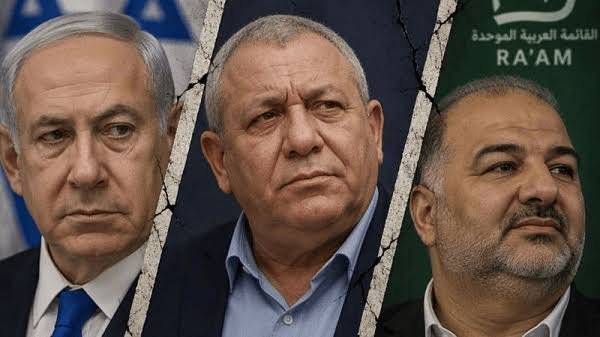
Tel Aviv | October 30, 2026 : Israel faces political uncertainty after Prime Minister Benjamin Netanyahu’s Likud-led bloc secured 53 seats in the 120-member Knesset, falling eight seats short of the 61 needed for a majority, according to the reported final election tally.

📊 Election results at a glance:
- 🇮🇱 Netanyahu’s Likud-led bloc: 53 seats
- 🔵 Opposition bloc: 48 seats
- 🗳️ Arab-led Ra’am and Joint List parties: 19 seats combined
- 📈 Voter turnout: 77.9%, the highest in decades, according to the Central Elections Committee (CEC).
⚖️ Government formation remains uncertain
Netanyahu’s refusal to cooperate with Arab-led parties complicates efforts to assemble a governing majority. The results are scheduled to be presented to President Isaac Herzog on November 4, after which consultations with political parties will help determine who is tasked with forming the next government.
🔎 Fraud and foreign-interference allegations
Netanyahu and Likud have called for investigations into alleged bribery, threats, multiple voting and possible foreign interference. However, acting CEC Director General Dean Livne rejected claims of systematic electoral violations, stating that the election had been conducted lawfully.
🛡️ Security agency responds
Israel’s Shin Bet confirmed that it was investigating suspected foreign interference, describing the inquiry as limited in scope and based on its own intelligence collection. Qatar and Turkiye have rejected allegations of involvement, while police sources reportedly said there was no substantiated evidence that the election had been stolen.
🌍 What happens next?
With no clear majority, coalition negotiations could prove decisive for Israel’s political future. The competing allegations have added to tensions, but election officials maintain that the reported results stand unless direct evidence justifies invalidating votes.