

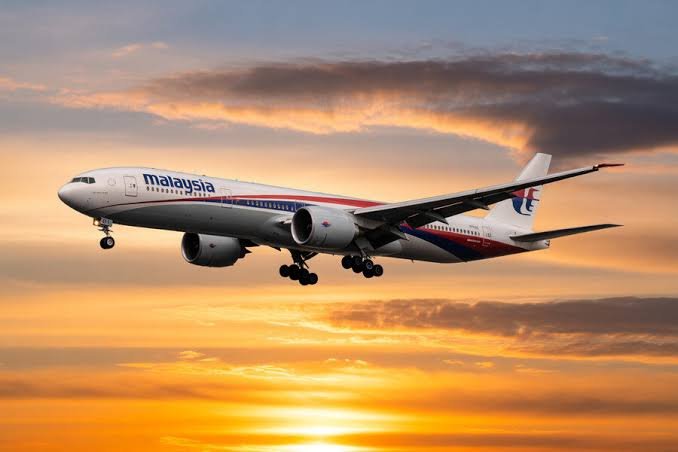
Kuala Lumpur, October 19, 2026 : Malaysia Aviation Group, the parent company of Malaysia Airlines, is considering a possible green tax on air passengers to help offset the rising cost of sustainable aviation fuel (SAF), a move that could add further pressure on already expensive airfares.

The group’s chief, Captain Nasaruddin A. Bakar, said on Monday that the company had not ruled out the possibility of introducing such a charge. His remarks come as airlines worldwide face mounting pressure to reduce carbon emissions while dealing with the high prices and limited availability of cleaner aviation fuels.
Speaking to The Associated Press on the sidelines of an aviation sustainability conference, Nasaruddin said the airline industry must find a balance between environmental responsibilities and the affordability of air travel.
“We are looking at all options,” he said, emphasising that both passengers and airlines must be able to bear the financial burden associated with sustainable aviation fuel.
Any decision to impose a green tax would depend on the wider regulatory framework and government policy. Nasaruddin stressed that airlines, fuel suppliers and regulators would need to work together to make SAF more affordable before its use could be expanded significantly.
Singapore Sets Precedent With Green Aviation Levy
The discussion in Malaysia comes after neighbouring Singapore became the first country to announce a government-mandated green aviation tax, scheduled to take effect in January 2027.
Under Singapore’s announced framework, charges will vary according to destination and cabin class, with the levy intended to support the transition towards lower-emission aviation fuel.
Malaysia’s consideration of a similar measure reflects the growing financial challenge facing airlines as governments and aviation authorities pursue climate targets.
However, Malaysia Aviation Group has not announced a final decision to introduce a passenger green tax. The proposal remains under consideration, and any future levy would depend on the approach adopted by the relevant authorities.
Why Sustainable Aviation Fuel Is Becoming a Priority
Sustainable aviation fuel is emerging as one of the aviation industry’s principal options for reducing emissions from aircraft. It can be produced from renewable feedstocks, including used cooking oil, waste fats and agricultural residues.
Unlike some emerging aircraft technologies, SAF can be blended with conventional jet fuel and used in existing aircraft engines, subject to applicable fuel standards and blending requirements. This makes it a practical option for reducing aviation emissions without requiring an immediate replacement of the global aircraft fleet.
According to the International Energy Agency, aviation accounts for approximately 2.5% of annual global carbon emissions. With demand for air travel continuing to grow, the International Civil Aviation Organization has established a long-term objective of achieving net-zero carbon emissions from international aviation by 2050.
The use of SAF could reduce lifecycle greenhouse gas emissions by around 65% compared with conventional jet fuel under certain production pathways, although the actual reduction depends on how the fuel is produced and its feedstocks.
Despite its potential, SAF currently accounts for less than 1% of global jet fuel consumption, according to the International Air Transport Association.
High Costs and Limited Supply Remain Major Obstacles
The biggest challenge to the wider adoption of sustainable aviation fuel is its cost. SAF is generally more expensive than conventional jet fuel, while production capacity and access to suitable sustainable feedstocks remain limited.
Expanding production will require investment in manufacturing facilities, reliable supply chains and technologies capable of converting waste and renewable materials into aviation-grade fuel.
For airlines, these additional expenses come on top of conventional fuel price volatility, aircraft maintenance, labour costs and other operating expenses.
A passenger green tax could help finance the transition towards cleaner aviation, but it could also increase the cost of tickets, particularly for travellers on routes where airlines already face intense competition and limited pricing flexibility.
Nasaruddin cautioned that transferring the full cost of SAF to passengers could make air travel less attractive. He said the amount that could be passed on would depend on how expensive the fuel became.
“If the cost is not that high, maybe some more of it can be passed on to the passenger,” he said. “If the cost is just too high, we won’t be able to do that.”
Malaysia Airlines Focuses on Fleet Modernisation
Alongside the possible use of SAF, Malaysia Aviation Group plans to reduce emissions through fleet renewal and improvements in fuel efficiency.
Malaysia Airlines is modernising its fleet through orders for 40 Airbus A330neo aircraft and 55 Boeing 737 MAX jets. These newer-generation aircraft are designed to improve fuel efficiency compared with older models, helping airlines reduce fuel consumption and emissions per passenger when operated under suitable conditions.
Fleet renewal is considered an important part of the industry’s wider decarbonisation strategy. However, replacing older aircraft involves substantial investment and cannot, by itself, eliminate aviation’s carbon emissions.
Nasaruddin indicated that SAF would remain part of the group’s efforts to reduce its environmental impact, alongside the introduction of more fuel-efficient aircraft.
Iran War Adds to Pressure on Airline Costs
The airline group is also facing pressure from rising conventional jet fuel prices amid the Iran war, according to Nasaruddin.
Higher fuel expenses can significantly affect airline profitability because fuel is one of the sector’s major operating costs. Airlines may attempt to recover some of these increases through higher ticket prices, surcharges or other commercial measures, but their ability to do so depends on market demand and competition.
Nasaruddin said there was limited scope to pass all fuel-cost increases on to customers. The same challenge would apply to SAF, especially if the price difference between sustainable and conventional fuel remained substantial.
He also did not rule out further ticket-price increases, acknowledging the uncertainty surrounding future fuel costs and market conditions.
“I don’t have a crystal ball,” he said.
What a Possible Green Tax Could Mean for Travellers
If Malaysia eventually introduces a passenger green levy, travellers could face an additional charge on top of existing airfare components. The actual impact would depend on the tax structure, route, cabin class and whether airlines absorb any portion of the additional expense.
For the airline industry, the central challenge will be to finance cleaner aviation without making tickets prohibitively expensive or weakening demand for air travel.
Governments and industry stakeholders will also need to address SAF production costs, improve availability and develop policies that encourage investment while protecting consumers from excessive price increases.
Outlook: Balancing Climate Goals With Affordable Air Travel
Malaysia Aviation Group’s consideration of a green tax highlights the difficult choices facing the global aviation industry as it works towards lower emissions.
Sustainable aviation fuel offers a way to reduce aviation’s climate impact using existing aircraft technology, but its limited supply and higher cost remain major barriers to widespread adoption.
For now, Malaysia Airlines’ parent company has left the door open to a passenger levy without committing to its introduction. The direction of future policy will depend on government decisions, fuel-market developments and the industry’s ability to make cleaner aviation more economically viable.
The key question remains whether the cost of aviation’s green transition will be shared by governments, airlines, fuel producers and passengers—or passed increasingly on to travellers through higher ticket prices.