

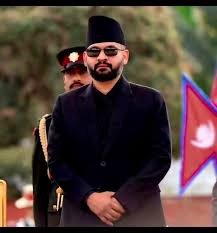
KATHMANDU, NEPAL, October 21, 2026 : Nepal Prime Minister Balendra Shah, popularly known as Balen Shah, has called on citizens to unite against corruption, poor governance, bureaucratic delays, inequality and political disorder, stressing that meaningful national transformation requires collective action, determination and changes in both thinking and behaviour.

In his message on the occasion of Bada Dashain, also known as Vijaya Dashami, Nepal’s biggest festival, Shah urged people to draw inspiration from the festival’s central message—the victory of good over evil—and work together to address the challenges facing the country.
The Prime Minister emphasised that governance must be centred on public service, saying every citizen should feel that the government exists to serve their needs and protect their interests.
PM CALLS FOR COLLECTIVE ACTION AGAINST CORRUPTION
Shah identified corruption, administrative delays, inequality and poor governance as major challenges that require a united national response.
He urged Nepalis to move beyond differences and contribute to building a more accountable and responsive system of governance.
“We must unite to eliminate these ills and ensure that every citizen feels that the Government is there for them,” Shah said, according to his Dashain message.
He added that honest efforts, determination and collective hard work would be essential to overcoming these problems.
The Prime Minister also stressed that change cannot be achieved through policy measures alone. Citizens and institutions must be prepared to reconsider their attitudes and improve their behaviour if the country is to achieve lasting progress.
VIJAYA DASHAMI’S MESSAGE OF GOOD OVER EVIL
Linking his appeal to the significance of Vijaya Dashami, Shah encouraged people to use the festival as an opportunity to strengthen their commitment to justice, integrity and positive social change.
Vijaya Dashami marks the triumph of good over evil and holds deep cultural and religious significance across Nepal and other parts of South Asia.
Shah’s message applied this symbolism to the country’s contemporary challenges, urging citizens to confront corruption, political distortions and administrative inefficiency with unity and determination.
His appeal highlighted the importance of translating the festival’s values into everyday conduct and public life.
URGES PEOPLE TO REJECT VIOLENCE AND DISCRIMINATION
The Prime Minister also called for an end to violence and discrimination, emphasising the need for goodwill, mutual respect and cooperation among citizens.
He said Nepal’s challenges could be addressed more effectively when people work together rather than allow social and political divisions to weaken collective efforts.
Shah’s message placed particular emphasis on maintaining harmony in a country characterised by considerable geographical, cultural and linguistic diversity.
He encouraged people to strengthen mutual understanding and respect while working towards a more inclusive society.
DASHAIN STRENGTHENS NEPAL’S SOCIAL AND CULTURAL UNITY
Shah described Dashain as a festival that brings together people from different communities, regions and walks of life.
Beyond its religious significance, the celebration offers an opportunity for families and friends to reconnect, renew relationships and reinforce the bonds that hold communities together.
For many Nepalis, Dashain is also a time to return to their ancestral homes, seek blessings from elders and celebrate with loved ones after long periods of separation.
The Prime Minister extended wishes for happiness, peace and prosperity to Nepalis living both within the country and abroad.
TIKA AND JAMARA MARK THE MAIN DAY OF CELEBRATION
Wednesday, October 21, marked the tenth day of Bada Dashain, celebrated as Vijaya Dashami across Nepal.
On this occasion, people receive tika, a mixture of vermilion powder, curd and rice, and jamara, or young barley shoots, along with blessings from elders.
Tika is traditionally associated with good fortune and victory, while jamara symbolises prosperity. Both are regarded as auspicious gifts connected with the blessings of Goddess Navadurga.
Families gather to observe rituals, exchange greetings and seek blessings for health, happiness and success in the year ahead.
NINE DAYS OF DURGA WORSHIP CONCLUDE
The festival’s main day follows nine days of worship dedicated to Goddess Durga, also known as Durga Bhawani.
In Kathmandu, worship at Dasainghar in the Hanumandhoka Old Palace forms part of the traditional observances, alongside rituals performed in Hindu households across the country.
The culmination of these ceremonies on Vijaya Dashami reflects the religious importance of the festival and its enduring place in Nepal’s cultural traditions.
GOVERNANCE REFORM AND NATIONAL UNITY IN FOCUS
Shah’s Dashain message combined the festival’s cultural significance with a call for reforms in governance and public behaviour.
His appeal focused on the need for greater accountability, reduced bureaucratic obstacles, equality, social harmony and a government that remains responsive to ordinary citizens.
While the Prime Minister stressed that progress depends on collective determination and honest effort, the broader challenge will be translating these principles into practical improvements in public services and governance.
As Nepal celebrates Vijaya Dashami, Balen Shah’s message calls for a shared national commitment to fighting corruption, rejecting discrimination and building a more accountable, inclusive and harmonious society.