


SRINAGAR, June 11, 2026 : The proposed Kirthai Stage-II Hydroelectric Project on the Chenab River in Jammu and Kashmir’s Kishtwar district has come under environmental scrutiny after Chenab Valley Power Projects (CVPP) sought the diversion of nearly 197 hectares of forest land for its construction.
The proposal was recently examined by the Forest Advisory Committee (FAC) of the Union Ministry of Environment, Forest and Climate Change, which is responsible for granting approvals for forest land diversion for developmental projects. The committee reportedly reviewed the project during its meeting on Wednesday, though the official proceedings are yet to be made public.
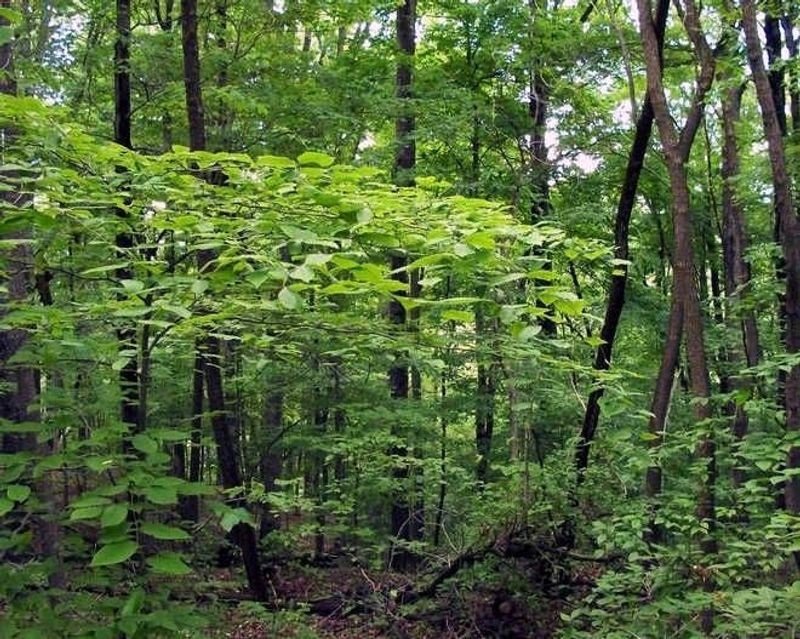
According to the project’s site inspection report, the construction of the hydroelectric project would require the felling of more than 8,700 trees, raising concerns about its environmental impact on the ecologically sensitive Chenab Valley region.
The report cautioned that large-scale tree removal could adversely affect the local ecosystem by increasing surface runoff and soil erosion, potentially heightening the risk of landslides in the mountainous terrain.
“The removal of trees would definitely affect the ecosystem in general, especially in terms of increased run-off and soil erosion that may lead to landslides,” the inspection report noted.
A major ecological concern highlighted in the report is the loss of Chilgoza Pine, a valuable and ecologically important tree species that naturally occurs in the project area. The report observed that a significant number of these trees are likely to be affected by the proposed forest diversion.
The issue carries economic implications as well. A study published in the Indian Journal of Agroforestry in 2016 identified Chilgoza nut collection as an important source of livelihood and income for residents of Paddar block, where the project is proposed to be developed.
The inspection report also pointed out that the project area serves as a habitat for several wildlife species, including the endangered Asiatic Ibex, which has been recorded in the forest land proposed for diversion.
Despite the environmental concerns, the report described the Kirthai-II project as being of national importance, stating that a balance must be maintained between developmental requirements and environmental conservation.
“Some trade-off is required between developmental activities and environmental conservation,” the report observed while evaluating the project’s significance.
Apart from environmental impacts, the project is also expected to have social implications. According to the report, the construction and associated activities could affect approximately 446 families residing in the surrounding areas.
The Kirthai-II Hydroelectric Project forms part of a broader strategy to harness the hydroelectric potential of the Chenab River basin and strengthen power generation capacity in the region. However, environmental experts and local stakeholders are likely to closely monitor the approval process, given the potential ecological and socio-economic consequences associated with the project.
The final decision regarding forest land diversion will depend on the recommendations and approval of the Forest Advisory Committee and the Ministry of Environment, Forest and Climate Change.