

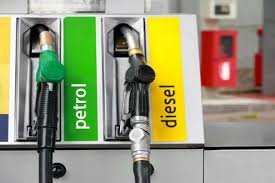
NEW DELHI, June 12, 2026 : In a significant move aimed at safeguarding fuel availability for ordinary consumers, the Central Government has imposed temporary restrictions on diesel sales across the country, capping purchases at 200 litres per vehicle per day and barring industrial, commercial, and institutional consumers from buying petrol and diesel through retail fuel stations.

The decision comes amid concerns over potential local shortages caused by global petroleum supply disruptions linked to ongoing geopolitical tensions affecting international oil supply chains and shipping logistics.
According to the Motor Spirit and High Speed Diesel (Temporary Regulation of Supply through Retail Outlets) Order, 2026, issued by the Ministry of Petroleum and Natural Gas on June 11, 2026, retail fuel outlets will be permitted to dispense diesel only into vehicle fuel tanks or Petroleum and Explosives Safety Organisation (PESO)-approved containers. Sales will be restricted to a maximum of 200 litres per customer or vehicle per day, and the fuel purchased cannot be resold.
The government has also prohibited industrial, commercial, and institutional consumers from procuring fuel from petrol pumps. Such entities will now be required to source petrol and diesel through their designated consumer pumps.
Why the Restrictions Were Introduced
The government observed an unusual increase in diesel demand in several regions after bulk users shifted their purchases from bulk supply channels to retail outlets due to substantial price differences.
In Delhi, diesel sold at retail pumps is currently priced at approximately ₹95.20 per litre, while bulk consumers are charged around ₹134.50 per litre. The wide price gap emerged after state-owned oil marketing companies moderated retail prices to shield common consumers from the impact of rising international crude oil costs following the West Asia crisis earlier this year.
As a result, sectors such as transportation, telecom infrastructure, industries, and power generation units increasingly began sourcing fuel from retail pumps, leading to abnormal demand spikes and pressure on local supplies.
Surge in Demand at PSU Fuel Stations
The price disparity has also resulted in a noticeable shift in fuel sales from private retailers to public sector oil companies.
During May 2026, state-run oil marketing companies Indian Oil Corporation (IOC), Bharat Petroleum Corporation Limited (BPCL), and Hindustan Petroleum Corporation Limited (HPCL) recorded a 4.8% increase in petrol sales and a 6.4% rise in diesel sales, reflecting the growing preference for lower-priced retail fuel.
Measures to Prevent Hoarding and Diversion
The Government stated that unchecked bulk procurement through retail outlets could divert supplies intended for regular consumers and create localized shortages, potentially disrupting essential services.
To prevent such situations, state governments and Union Territory administrations have been directed to take strict action against:
- Hoarding of fuel
- Black marketing
- Unauthorized procurement
- Diversion of supplies
- Other fuel-related malpractices
Oil marketing companies and authorized fuel retailers have also been empowered to enforce the new regulations.
Restrictions Effective for Up to 90 Days
The order will remain in force for an initial period of up to 90 days, with the provision for extension through a fresh notification if required.
The Government emphasized that the measures are intended to ensure equitable fuel distribution, maintain uninterrupted supplies nationwide, and protect the interests of ordinary consumers during a period of global supply uncertainty.
Violations of the order will attract penalties under the provisions of the Essential Commodities Act. However, the Government retains the authority to grant exemptions to specific consumers, sectors, regions, or transactions through special orders when deemed necessary.
Government’s Message
The Centre has maintained that these temporary restrictions are precautionary measures designed to preserve fuel availability, prevent misuse of subsidized retail supplies, and ensure that essential transportation and public services continue to function smoothly across the country despite ongoing global challenges.