
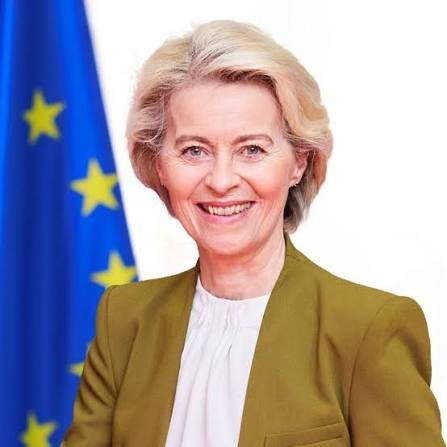
BRUSSELS , SEPTEMBER 16, 2026 ; European Commission President Ursula von der Leyen on Wednesday proposed a bloc-wide ban on social media use by children under the age of 13, alongside additional safeguards and restrictions for teenagers across the European Union’s 27 member states.

The proposal is part of wider European efforts to address concerns about children’s exposure to harmful online content, addictive platform features and other risks associated with social media.
“We do not have to accept addictive features,” von der Leyen said, warning against children being exposed to increasingly extreme content and the misuse of their images for AI-generated sexualised material.
‘Mini Accounts’ Proposed for Ages 13–15
Under the proposal, children aged 13 to 15 could be allowed to use so-called “mini accounts” under parental or guardian supervision.
These accounts would have restrictions on certain platform features as well as limits on the amount of time users could access social-media services.
For teenagers aged 15 to 18, social-media platforms would be required to provide a “safe design”, although further details of the proposed measures are expected to be released.
Proposal Still Requires EU Approval
The initiative is not yet EU law. The bloc’s 27 member states will have to discuss and vote on the proposal before any new rules can take effect.
The legislative process could take considerable time and may also lead to disagreements over the EU’s approach to technology regulation.
The proposal comes against the backdrop of tensions between Brussels and major US-based technology companies over European digital regulations. US President Donald Trump has previously criticised several EU technology policies.
Existing Minimum Age Rules Already in Place
Major social-media platforms including Facebook, Instagram and TikTok already generally prohibit children under 13 from creating accounts under their existing terms.
European authorities, however, have raised concerns about the effectiveness of age restrictions and enforcement, with children still gaining access to social-media platforms.
The proposed EU-wide framework would seek to establish a common approach across member states rather than relying primarily on individual platforms’ existing policies.
Digital Rights Groups Raise Concerns
Supporters of stronger protections for children have welcomed efforts to address online risks, but some digital-rights advocates have questioned whether an age-based approach alone can address the underlying problems associated with social-media platforms.
Simeon de Brouwer, a policy adviser at digital-rights organisation EDRi, argued that the proposal could postpone young people’s exposure to online risks rather than addressing platform business practices and features that encourage prolonged engagement.
His comments reflect a broader debate over whether regulation should focus primarily on users’ age, platform design, content recommendation systems, advertising models or a combination of these factors.
European Parliament Member Backs Proposal
Brando Benifei, an Italian member of the European Parliament, expressed support for the proposal and said European authorities should be prepared to confront the interests of major technology companies in implementing stronger protections for minors.
The European Commission has been examining the issue as part of a broader effort to introduce a more gradual approach to children’s exposure to social media.
Von der Leyen had earlier indicated that children should be introduced to social-media platforms in a “phased and gradual” manner.
Broader Debate Over Children’s Online Safety
The proposed restrictions could become an important part of the EU’s continuing debate over children’s digital rights and online safety.
Key questions include how platforms would verify users’ ages, how parental supervision would operate, how restrictions would be enforced across borders and how regulators would balance child protection with privacy and access to online services.
The proposal now moves into the EU’s political and legislative process, with further details expected as member states and European institutions examine the plan.