

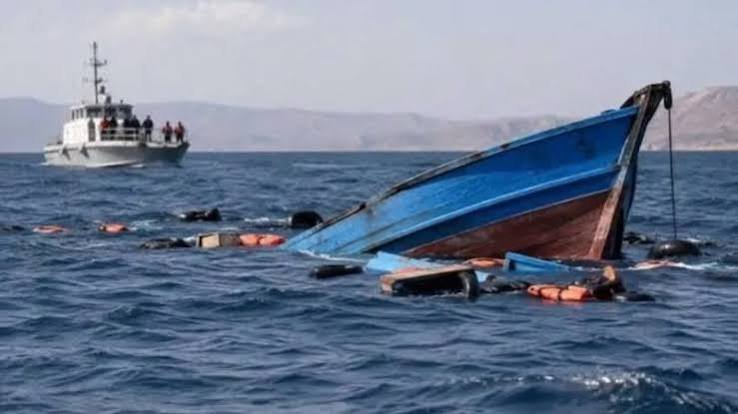
GENEVA, October 12, 2026 : At least 139 migrants, including children, have died after an overcrowded boat carrying more than 300 people capsized off the coast of Djibouti in East Africa, according to the International Organization for Migration (IOM). At least 84 people remain missing, making the disaster one of the deadliest shipwrecks reported along the perilous migration route connecting the Horn of Africa to the Arabian Peninsula.

The boat was carrying 305 people and was travelling from Djibouti towards Yemen when it capsized late Thursday night or early Friday morning, according to the IOM. More than 80 people survived the disaster, all of them Ethiopian nationals, the UN migration agency said.
The death toll could rise further as rescue operations continue and authorities work to establish the identities and number of victims.
Bodies Buried in Unmarked Graves
Alexandre Coissac, the IOM’s Chief of Mission in Djibouti, told The Associated Press that the official death toll includes only those victims buried by local authorities. Some migrants have reportedly buried fellow travellers themselves, but those deaths will not be included in the official count until authorities can verify the bodies.
Describing the heartbreaking circumstances, Coissac said many victims had been buried without names in a common grave.
He expressed concern that the identities of some victims might never be established, leaving families without answers about the fate of their loved ones.
According to Coissac, the migrants boarded the vessel on the evening of October 8. The boat sank shortly afterwards, close to the shore, primarily because it was overcrowded.
He said local authorities made every effort to respond to the disaster but were overwhelmed by the number of bodies washing ashore within a short period.
Survivors Receive Medical and Psychological Assistance
Survivors are being taken to the IOM rescue centre in Obock, Djibouti, where they are receiving medical attention and psychological support.
Many reportedly swallowed seawater during the incident and require medical assistance. Coissac, who visited the shipwreck area on Saturday, said the survivors were in a state of shock.
Some survivors have already learned that family members died in the tragedy. Others have been given access to telephones so they can contact relatives back home and inform them that they survived.
The psychological impact of the disaster remains a major concern, particularly for those who lost relatives, friends and fellow travellers.
Meanwhile, rescue efforts are continuing amid fears for the dozens of people still unaccounted for.
A Dangerous Migration Route to Yemen and Gulf Nations
Every year, tens of thousands of migrants from the Horn of Africa travel through Djibouti and cross the Bab el-Mandeb Strait towards Yemen and other Gulf destinations in search of employment, security and better economic opportunities.
The journey is particularly dangerous because migrants often travel aboard overcrowded and unsafe vessels, exposing themselves to the risk of drowning and other life-threatening emergencies.
Despite the escalating conflict in Yemen, migration along this corridor has continued. The latest tragedy highlights the severe risks faced by people attempting to cross the sea in search of a better future.
The IOM said the vessel involved in the disaster had 305 people on board. Personal belongings believed to belong to the migrants, including shoes, were seen scattered along a beach in video footage shared by the organisation.
Yemen Conflict Adds to Regional Humanitarian Concerns
The shipwreck comes amid renewed fighting in Yemen between the internationally recognised government, backed by Saudi Arabia, and the Iranian-backed Houthi rebels.
In recent weeks, at least 2,000 Yemenis have received assistance in Djibouti as the conflict has intensified.
Their movement towards Djibouti is in the opposite direction to that of the migrants who died in the shipwreck. In recent years, many migrants travelling from East Africa towards Yemen have intended to continue to Gulf countries, particularly Saudi Arabia, to seek employment.
The overlapping movements underscore the wider humanitarian challenges affecting the region, where conflict, economic hardship and the search for safety continue to force people to undertake dangerous journeys.
More Than 900 Migrants Died or Went Missing Last Year
According to the IOM’s Missing Migrants Project, more than 900 migrants died or went missing along this route last year.
The latest disaster has renewed calls for governments and international organisations to strengthen protections for migrants and expand safe and legal migration options.
IOM Director-General Amy Pope expressed deep concern over the continuing loss of life, stressing that people should not have to risk drowning to seek safety or economic opportunities.
She called on governments and donors to take urgent action to prevent further tragedies, warning that migrant deaths must not become an accepted part of international migration.
International Action Needed to Prevent Further Tragedies
The deaths of at least 139 people, with 84 still missing, represent a devastating humanitarian tragedy. The presence of children among the victims makes the disaster particularly distressing.
As rescue and identification efforts continue, the immediate priorities remain locating the missing, supporting survivors, identifying the deceased and helping affected families obtain information about their loved ones.
The tragedy also raises urgent questions about the conditions that push people to undertake dangerous sea crossings and the availability of safe, legal alternatives.
Without stronger international cooperation and effective protection measures, migrants travelling through the Horn of Africa and across the Bab el-Mandeb Strait will continue to face grave risks.
The central message from the IOM is clear: safe and legal migration pathways can save lives, and urgent action is needed before another overcrowded boat meets the same fate.