
• Contact Us
  • Advertise
  • About Us
  • E-Paper
Truth Prevail
  • Home
  • World
  • State
  • National
  • Business
  • Sports
  • Entertainment
  • Videos
  • E-Paper
No Result
View All Result
  • Home
  • World
  • State
  • National
  • Business
  • Sports
  • Entertainment
  • Videos
  • E-Paper
No Result
View All Result
Truth Prevail
No Result
View All Result
Home Jammu Kashmir JAMMU

J&K WATER BODIES RISE 20.5% TO 11,766

2,001 NEW WATER BODIES ADDED SINCE 2018–19 CENSUS BUT 97% OF ASSESSED WATER BODIES FACE SILTATION CONCERNSJAMMU, OCTOBER 08, 2026: Jammu and Kashmir has recorded a significant 20.5 per cent increase in the number of water bodies since the First Census of Water Bodies conducted in 2018–19, according to the Second Census of Water Bodies released recently by Union Jal Shakti Minister CR Patil. The latest census has identified 11,766 water bodies across Jammu and Kashmir, compared with 9,765 during the first census. This represents an addition of 2,001 water bodies over the period. 98% of water bodies located in rural areas The census highlights the predominantly rural character of J&K's water resources. Around 98 per cent of the enumerated water bodies are located in rural areas, while only 2 per cent are situated in urban areas. These water bodies play an important role in supporting agriculture, livestock, fisheries, groundwater recharge and other rural livelihood activities. Ponds account for 37.5% In terms of classification, 48.1 per cent of the water bodies fall under the "Others" category, while 37.5 per cent are ponds. The remaining water bodies comprise tanks, lakes, reservoirs and water conservation structures. The "Others" category includes natural or man-made storage units that do not fall under the five specified categories. Private ownership dominates The census found that 62 per cent of the water bodies in Jammu and Kashmir are privately owned. Among publicly owned water bodies, Panchayats account for the largest share at 33 per cent, followed by the State Water Resources/Irrigation Department with 18.7 per cent. Among privately owned water bodies, groups of individuals account for the largest share, at 17.7 per cent. 77.5% water bodies in active use The report stated that 77.5 per cent of the water bodies in J&K are currently in active use, slightly higher than the 76.7 per cent recorded during the first census. In absolute terms, the number of functional water bodies increased by 21.7 per cent, rising from 7,493 during the first census to 9,117 during the second census. Drinking water remains the dominant use Domestic and drinking water supply is the predominant use of water bodies in J&K, accounting for 62 per cent of those currently in use. Irrigation accounts for 9 per cent, followed by groundwater recharge at 3 per cent, religious purposes at 2 per cent and recreation at 1 per cent. Another 23 per cent are classified under other uses. Only 828 water bodies are being used for irrigation. Together, these support a Culturable Command Area (CCA) of 24,658.27 hectares and an Irrigation Potential Created (IPC) of 39,220.64 hectares. The average CCA is 29.78 hectares, while the average IPC stands at 47.37 hectares, indicating that most water bodies supporting irrigation are relatively small. 264 water bodies restored The census also recorded restoration efforts across the Union Territory. During the last five years, 264 water bodies have been revived or restored, including 132 ponds, reflecting ongoing efforts to strengthen local water resources. Most water bodies are small The census highlights the relatively small size of J&K's water bodies. Around 78 per cent have a water-spread area of up to one hectare, while approximately 90 per cent have a storage capacity of up to 1,000 cubic metres. About 57 per cent of the water bodies are filled to more than half of their capacity, while the remaining 43 per cent have comparatively low water levels. Siltation emerges as major challenge Despite the increase in the number of water bodies, the census has identified siltation as a major conservation concern. Of the water bodies assessed for siltation, 3,398 — or 97 per cent — were affected. This included 3,294 functional water bodies, while 104 had become non-functional specifically because of excessive siltation. The findings underline the need for sustained desilting, restoration and scientific management to maintain the storage capacity and functionality of water resources. Limited community participation The report also pointed to considerable scope for strengthening community participation. Water User Associations have been constituted for only 108 water bodies, suggesting that greater involvement of local communities could play an important role in protecting, maintaining and sustainably managing these resources. Meanwhile, 1,080 water bodies are covered under various Central Government schemes, while another 899 are covered under District/State Irrigation Plans. Encroachment reported in 524 water bodies Encroachment is another concern highlighted by the census. The report found that 524 of the 11,766 water bodies had reported encroachment, reinforcing the need for continued protection, monitoring and conservation of these vital water resources. A mixed picture of growth and challenges The Second Census presents a mixed picture for Jammu and Kashmir. While the number of identified water bodies has increased substantially and more than 9,000 are currently functional, issues such as siltation, encroachment, low water levels and limited community participation remain significant challenges. The findings underline the importance of protecting existing water bodies while simultaneously restoring degraded resources and strengthening community-based management. With water bodies playing a crucial role in drinking water supply, agriculture, groundwater recharge, ecology and rural livelihoods, their effective conservation could prove vital for strengthening J&K's long-term water security and environmental resilience.

Truthprevail by Truthprevail
October 8, 2026
in JAMMU
0
J&K WATER BODIES RISE 20.5% TO 11,766

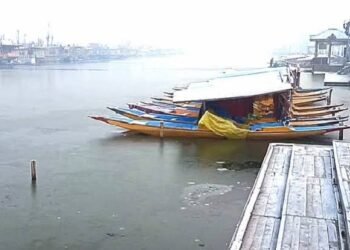
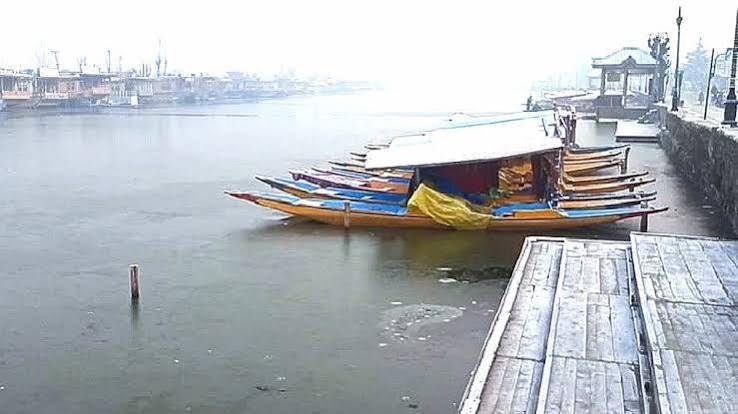
Representational Image

0
SHARES
0
VIEWS
Share on FacebookShare on Twitter

JAMMU, OCTOBER 08, 2026: Jammu and Kashmir has recorded a significant 20.5 per cent increase in the number of water bodies since the First Census of Water Bodies conducted in 2018–19, according to the Second Census of Water Bodies released recently by Union Jal Shakti Minister CR Patil.

The latest census has identified 11,766 water bodies across Jammu and Kashmir, compared with 9,765 during the first census. This represents an addition of 2,001 water bodies over the period.

98% of water bodies located in rural areas

The census highlights the predominantly rural character of J&K’s water resources. Around 98 per cent of the enumerated water bodies are located in rural areas, while only 2 per cent are situated in urban areas.

These water bodies play an important role in supporting agriculture, livestock, fisheries, groundwater recharge and other rural livelihood activities.

Ponds account for 37.5%

In terms of classification, 48.1 per cent of the water bodies fall under the “Others” category, while 37.5 per cent are ponds.

The remaining water bodies comprise tanks, lakes, reservoirs and water conservation structures. The “Others” category includes natural or man-made storage units that do not fall under the five specified categories.

Private ownership dominates

The census found that 62 per cent of the water bodies in Jammu and Kashmir are privately owned.

Among publicly owned water bodies, Panchayats account for the largest share at 33 per cent, followed by the State Water Resources/Irrigation Department with 18.7 per cent.

Among privately owned water bodies, groups of individuals account for the largest share, at 17.7 per cent.

77.5% water bodies in active use

The report stated that 77.5 per cent of the water bodies in J&K are currently in active use, slightly higher than the 76.7 per cent recorded during the first census.

In absolute terms, the number of functional water bodies increased by 21.7 per cent, rising from 7,493 during the first census to 9,117 during the second census.

Drinking water remains the dominant use

Domestic and drinking water supply is the predominant use of water bodies in J&K, accounting for 62 per cent of those currently in use.

Irrigation accounts for 9 per cent, followed by groundwater recharge at 3 per cent, religious purposes at 2 per cent and recreation at 1 per cent. Another 23 per cent are classified under other uses.

Only 828 water bodies are being used for irrigation. Together, these support a Culturable Command Area (CCA) of 24,658.27 hectares and an Irrigation Potential Created (IPC) of 39,220.64 hectares.

The average CCA is 29.78 hectares, while the average IPC stands at 47.37 hectares, indicating that most water bodies supporting irrigation are relatively small.

264 water bodies restored

The census also recorded restoration efforts across the Union Territory.

During the last five years, 264 water bodies have been revived or restored, including 132 ponds, reflecting ongoing efforts to strengthen local water resources.

Most water bodies are small

The census highlights the relatively small size of J&K’s water bodies.

Around 78 per cent have a water-spread area of up to one hectare, while approximately 90 per cent have a storage capacity of up to 1,000 cubic metres.

About 57 per cent of the water bodies are filled to more than half of their capacity, while the remaining 43 per cent have comparatively low water levels.

Siltation emerges as major challenge

Despite the increase in the number of water bodies, the census has identified siltation as a major conservation concern.

Of the water bodies assessed for siltation, 3,398 — or 97 per cent — were affected. This included 3,294 functional water bodies, while 104 had become non-functional specifically because of excessive siltation.

The findings underline the need for sustained desilting, restoration and scientific management to maintain the storage capacity and functionality of water resources.

Limited community participation

The report also pointed to considerable scope for strengthening community participation.

Water User Associations have been constituted for only 108 water bodies, suggesting that greater involvement of local communities could play an important role in protecting, maintaining and sustainably managing these resources.

Meanwhile, 1,080 water bodies are covered under various Central Government schemes, while another 899 are covered under District/State Irrigation Plans.

Encroachment reported in 524 water bodies

Encroachment is another concern highlighted by the census.

The report found that 524 of the 11,766 water bodies had reported encroachment, reinforcing the need for continued protection, monitoring and conservation of these vital water resources.

A mixed picture of growth and challenges

The Second Census presents a mixed picture for Jammu and Kashmir. While the number of identified water bodies has increased substantially and more than 9,000 are currently functional, issues such as siltation, encroachment, low water levels and limited community participation remain significant challenges.

The findings underline the importance of protecting existing water bodies while simultaneously restoring degraded resources and strengthening community-based management.

With water bodies playing a crucial role in drinking water supply, agriculture, groundwater recharge, ecology and rural livelihoods, their effective conservation could prove vital for strengthening J&K’s long-term water security and environmental resilience.

Previous Post

J&K SET TO OPERATIONALISE 3 NATIONAL WATERWAYS BY 2027

Truthprevail

Truthprevail

Leave a Reply Cancel reply

Your email address will not be published. Required fields are marked *

Stay Connected test

  • 86.2k Followers
  • 24k Followers
  • 99 Subscribers
  • Trending
  • Comments
  • Latest
IGP Traffic Inducted into High-Level Traffic Management Committee for Jammu & Srinagar

IGP Traffic Inducted into High-Level Traffic Management Committee for Jammu & Srinagar

July 18, 2025
India ranked in the ‘serious’ category in the Global Hunger Index 2024

India ranked in the ‘serious’ category in the Global Hunger Index 2024

October 12, 2024
Terrorists’ Attempt To Draw Sustenance From Society Should Be Foiled, Says LG Manoj Sinha

LG Manoj Sinha Launches Relief Portal for Families of Terror Victims in J&K

July 22, 2025
J-K Police attaches properties of two croos-border terror handlers in Rajouri

Police Bust Fake Marriage Racket in Jammu, Five Arrested Including ‘Bride’

August 23, 2025

President Shat Darshan Sadhu Samaj ,Dutt Giri Ji Maharaj Holds Press Conference

0

INDIAN ARMY SAVES TWO YEAR OLD GIRL BATTLING FOR LIFE IN ISOLATED

0

Sarmad felicitates Dogri artists; Advocates giving platform to school, college youth

0
Omar Abdullah meets scores of individual, women’s wing delegations at Nawa-e-Subha

Omar Abdullah meets scores of individual, women’s wing delegations at Nawa-e-Subha

0
J&K WATER BODIES RISE 20.5% TO 11,766

J&K WATER BODIES RISE 20.5% TO 11,766

October 8, 2026
J&K SET TO OPERATIONALISE 3 NATIONAL WATERWAYS BY 2027

J&K SET TO OPERATIONALISE 3 NATIONAL WATERWAYS BY 2027

October 8, 2026
“ARTICLE 370 ABROGATION AMONG INDIA’S MAJOR POST-INDEPENDENCE REFORMS”

“ARTICLE 370 ABROGATION AMONG INDIA’S MAJOR POST-INDEPENDENCE REFORMS”

October 8, 2026
INDIA BLOC SEEKS PRESIDENT’S APPOINTMENT OVER SIR ROW

INDIA BLOC SEEKS PRESIDENT’S APPOINTMENT OVER SIR ROW

October 8, 2026

Recent News

J&K WATER BODIES RISE 20.5% TO 11,766

J&K WATER BODIES RISE 20.5% TO 11,766

October 8, 2026
J&K SET TO OPERATIONALISE 3 NATIONAL WATERWAYS BY 2027

J&K SET TO OPERATIONALISE 3 NATIONAL WATERWAYS BY 2027

October 8, 2026
“ARTICLE 370 ABROGATION AMONG INDIA’S MAJOR POST-INDEPENDENCE REFORMS”

“ARTICLE 370 ABROGATION AMONG INDIA’S MAJOR POST-INDEPENDENCE REFORMS”

October 8, 2026
INDIA BLOC SEEKS PRESIDENT’S APPOINTMENT OVER SIR ROW

INDIA BLOC SEEKS PRESIDENT’S APPOINTMENT OVER SIR ROW

October 8, 2026
Truth Prevail

Truth Prevail is a daily English newspaper of Jammu and Kashmir State. The mission of this newspaper is to bring hidden facts before the common masses.

Follow Us

Browse by Category

  • ANANTNAG (40)
  • BANDIPORA (14)
  • BARAMULLA (30)
  • BUDGAM (10)
  • Business (259)
  • DODA (33)
  • E-Paper (5)
  • Education (37)
  • Entertainment (161)
  • GANDERBAL (16)
  • HEALTH (4)
  • India (504)
  • JAMMU (813)
  • Jammu (104)
  • Jammu Kashmir (1,892)
  • KARGIL (6)
  • KATHUA (26)
  • Kishtwar (22)
  • KULGAM (25)
  • KUPWARA (11)
  • Ladakh (88)
  • LEH (55)
  • Life Style (37)
  • National (301)
  • POONCH (37)
  • PULWAMA (13)
  • RAJOURI (40)
  • RAMBAN (14)
  • REASI (31)
  • SAMBA (15)
  • SHOPIAN (5)
  • SHOPIN (3)
  • Sports (265)
  • SRINAGAR (856)
  • Srinagar (172)
  • State (701)
  • State (1)
  • Trending (26)
  • Udhampur (34)
  • Uncategorized (1)
  • Videos (2)
  • World (309)

Recent News

J&K WATER BODIES RISE 20.5% TO 11,766

J&K WATER BODIES RISE 20.5% TO 11,766

October 8, 2026
J&K SET TO OPERATIONALISE 3 NATIONAL WATERWAYS BY 2027

J&K SET TO OPERATIONALISE 3 NATIONAL WATERWAYS BY 2027

October 8, 2026
  • Contact Us
  • Advertise
  • About Us
  • E-Paper

© 2014 JNews - Truth Prevail - Designed & Developed by Ginfomatics Web & Software Solutions.

No Result
View All Result
  • Home
  • World
  • State
  • National
  • Business
  • Sports
  • Entertainment
  • Videos
  • E-Paper

© 2014 JNews - Truth Prevail - Designed & Developed by Ginfomatics Web & Software Solutions.