

LAHORE, PAKISTAN | OCTOBER 26, 2026 : Pakistan’s political tensions have intensified after the Punjab government extended the detention of jailed former Prime Minister Imran Khan’s three sisters — Aleema Khan, Noreen Niazi and Dr Uzma Khan — for another 30 days under the Punjab Maintenance of Public Order Ordinance, 1960.

The extension was confirmed by a Punjab government representative before the Lahore High Court (LHC), according to the report. The decision has drawn sharp criticism from Pakistan Tehreek-e-Insaf (PTI) leaders, who allege that preventive detention is being used to target the opposition.
🔴 THREE SISTERS TO REMAIN IN KOT LAKHPAT JAIL
The three women have been detained at Lahore’s Kot Lakhpat Jail for more than a month.
▪️ Aleema Khan was detained on September 20, 2026.
▪️ Noreen Niazi and Dr Uzma Khan were taken into custody on September 21, 2026.
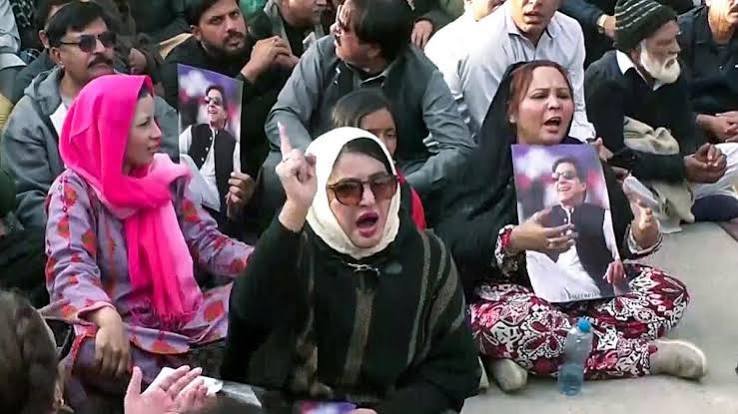
Their detention came amid efforts by PTI supporters to mobilise public support for Imran Khan and organise nationwide protests demanding his release.
On Monday, an assistant advocate general informed the Lahore High Court that the provincial government had approved a further 30-day extension on the recommendation of Lahore’s deputy commissioner.
⚖️ LAHORE HIGH COURT: HOW THE CASE DEVELOPED
The legal challenge was filed by Shahrez, Aleema Khan’s son, seeking the release of the three sisters.
During an earlier hearing, the petitioner’s counsel, Rana Mudassar Umar, told the court that the women remained in custody even after their initial 30-day detention period expired on October 20.
Lahore High Court Justice Abher Gul Khan subsequently directed Punjab’s home secretary and the superintendent of Kot Lakhpat Jail to appear and submit their replies.
Following the government’s submission confirming the extension, the court disposed of the petition seeking the sisters’ release.
The latest development shifts attention towards the legal grounds for continued detention and the possibility of further legal challenges.
🔹 WHY IS THE DETENTION CONTROVERSIAL?
PTI leaders have questioned the necessity of holding the three women, arguing that, according to their account, they are not wanted in any criminal case.
Former federal minister and PTI leader Moonis Elahi described the detention as illegal and accused the Punjab government, led by Chief Minister Maryam Nawaz, of using preventive detention to target the party and its leadership.
He argued that preventive detention should not be used as a substitute for ordinary criminal proceedings and called for the sisters’ immediate release.
These statements represent the opposition’s allegations; the legality of the detention must be assessed against the applicable law, the grounds for the orders and any relevant judicial findings.
🔹 IMRAN KHAN’S CONTINUING LEGAL BATTLE
Former Prime Minister Imran Khan, 74, has been imprisoned since August 2023 and faces multiple cases that he and PTI have described as politically motivated.
His imprisonment and the continuing confrontation between PTI and the authorities have remained major sources of political tension in Pakistan.
The detention of his sisters has added another contentious issue, raising questions about political mobilisation, civil liberties, preventive detention and access to judicial remedies.
🔹 WHAT HAPPENS NEXT?
The main issues to watch are:
▪️ The specific grounds cited for extending the detention orders.
▪️ Whether the sisters pursue further legal remedies.
▪️ Whether a court is asked to review the validity of the extension.
▪️ How the dispute affects PTI’s campaign for Imran Khan’s release and the wider political climate.
THE BIG PICTURE: The Punjab government’s decision to extend the detention of Imran Khan’s three sisters has intensified the dispute between the provincial authorities and PTI. While the opposition alleges political targeting, the legal basis and circumstances of the extended detention remain central to the case.
📰 SOURCE: Report from Lahore dated October 26, 2026. This report reflects the supplied account; the opposition’s allegations are attributed and should not be treated as independently established findings.