

NEW DELHI, June 10, 2026 : In a landmark moment for Indian democracy, the Union Cabinet on Wednesday passed a special resolution applauding Prime Minister Narendra Modi for becoming the longest continuously serving elected Prime Minister in the history of independent India.

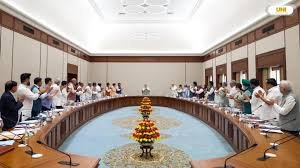
The Cabinet’s resolution was accompanied by a standing ovation from ministers, who collectively recognized Prime Minister Modi’s historic achievement and his uninterrupted tenure in office spanning more than twelve years.
Historic Achievement in Indian Political History
Prime Minister Narendra Modi officially became India’s longest continuously serving elected Prime Minister on June 10, 2026, surpassing the record previously held by the country’s first Prime Minister, Jawaharlal Nehru.
The milestone marks a significant chapter in India’s democratic journey, reflecting the sustained electoral support Modi has received across three consecutive general elections.
Union Cabinet Passes Resolution
During the Cabinet meeting, members unanimously passed a resolution congratulating the Prime Minister on the historic accomplishment.
The resolution acknowledged Modi’s continuous service as the elected head of government and highlighted the significance of his leadership during a period marked by major economic, infrastructural, technological, and governance reforms.
Following the adoption of the resolution, Cabinet ministers rose to their feet and offered a standing ovation, expressing appreciation for the Prime Minister’s leadership and dedication to public service.
Journey Through Three Consecutive Mandates
Prime Minister Modi first assumed office on May 26, 2014, following a decisive electoral victory that marked a major shift in India’s political landscape.
First Term (2014–2019)
His first tenure focused on governance reforms, financial inclusion, infrastructure expansion, digital transformation, and efforts to improve ease of doing business.
Second Term (2019–2024)
After securing an even larger mandate in the 2019 General Elections, Modi began his second term on May 30, 2019. This phase witnessed several landmark policy decisions, major legislative reforms, and expanded welfare initiatives.
Third Consecutive Term (2024–Present)
Prime Minister Modi commenced his third consecutive term on June 9, 2024, becoming one of the few leaders in modern democratic history to secure three successive electoral mandates at the national level.
A Landmark in Democratic Leadership
The achievement underscores the continuity of leadership in the world’s largest democracy and highlights the trust reposed by voters across multiple election cycles.
Political observers view the milestone as a defining moment in contemporary Indian politics, reflecting Prime Minister Modi’s enduring influence on governance, policymaking, and India’s evolving role on the global stage.
Recognition from Government and Nation
The Union Cabinet’s resolution and standing ovation symbolize official recognition of a historic political milestone that few elected leaders have achieved in democratic systems worldwide.
As India continues its development journey, June 10, 2026, will be remembered as a significant day in the nation’s political history, marking the moment when Prime Minister Narendra Modi became the longest-serving continuously elected Prime Minister of India.