


Ceuta (Spain), August 01, 2026 : The humanitarian crisis at the Spain–Morocco border has deepened, with the death toll in the Ceuta border tragedy rising to 67, according to the Spanish government.

The victims include migrants who reportedly drowned while attempting to reach Spanish territory and others who lost their lives in a stampede near the breakwater barrier during the massive border crossing.
The crisis unfolded after an estimated 60,000 migrants crossed into Ceuta, Spain’s North African enclave, between Thursday and Friday in one of the largest mass border crossings witnessed in recent years.
In response to the unprecedented influx, the Spanish government announced the installation of a 500-metre-long containment barrier along the breakwater extending into the sea to strengthen border security and prevent further crossings.
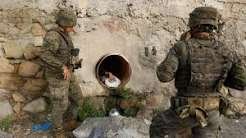
On Saturday morning, a small number of exhausted migrants who swam to Tarajal Beach in Ceuta were intercepted by Spanish soldiers and escorted back across the border into Morocco.
According to Spain’s Interior Ministry, the majority of migrants who entered Ceuta have already returned to Morocco as authorities continue efforts to restore order.
Despite the reduction in numbers, normalcy has yet to return to the autonomous city of 84,000 residents, which witnessed days of unrest and overcrowded streets as thousands sought entry into Europe.
Ceuta President Juan Jesús Vivas acknowledged that while the repatriation process had begun successfully, the city was still recovering from the disruption.
“Life in this city has been disrupted as a result of the border incident. The return of people has begun satisfactorily, but the process must be completed. The city has not yet returned to normal,” Vivas said.
However, several migrants have chosen to remain in Ceuta despite increasingly difficult conditions.
Among them is 23-year-old Moroccan migrant Mohamed Hatri, who said many migrants were struggling to access food but remained determined to stay.
“They’ve closed everything so we can’t buy food to force us back, but we’re going to stay here, whether we’re hungry or not,” Hatri said.
The tragedy has once again highlighted the growing humanitarian and migration challenges at Europe’s southern borders, with authorities balancing security concerns alongside the urgent need to protect vulnerable lives.