

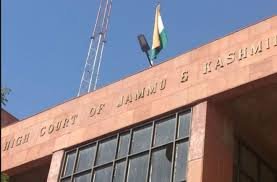
JAMMU, May 20, 2026 : The High Court of Jammu & Kashmir and Ladakh has introduced a series of administrative measures aimed at conserving fuel and reducing energy consumption amid growing concerns over rising crude oil prices and the nationwide call for “Economic Self-Defence.”

According to a circular issued by the Office of the Registrar General at Srinagar, the directions will come into effect from May 21, 2026, and remain in force until further orders.
As part of the new measures, the High Court has decided to encourage virtual hearings and online appearances by advocates while maintaining prescribed court decorum and procedural protocols during video conferencing proceedings.
The circular further stated that during the upcoming court vacation period beginning June 8, 2026, nominated Vacation Benches will hear cases entirely through virtual mode. However, advocates facing unavoidable technical or logistical difficulties may appear physically whenever courts function in offline mode.
In another important decision, the High Court directed that all administrative inspections and official visits to districts stand suspended until further orders. All administrative meetings and official interactions will now be conducted through virtual platforms.
The High Court has also suspended the Leave Travel Concession (LTC) facility for judicial officers and court staff, except in cases where the benefit has already been sanctioned. Authorities clarified that the LTC block period would be extended proportionately by one month for every month during which the facility remains suspended.
Additionally, the Judicial Academy has been instructed not to hold any physical training programmes. All workshops, orientation programmes, training sessions and academic activities will now take place through online mode only.
To further reduce fuel usage, Registry officers have also been directed to pool official transport facilities wherever feasible in order to ensure optimal utilisation of resources.
The move reflects a broader administrative effort to promote energy conservation, reduce unnecessary travel and adopt digital governance practices within the judicial system.